

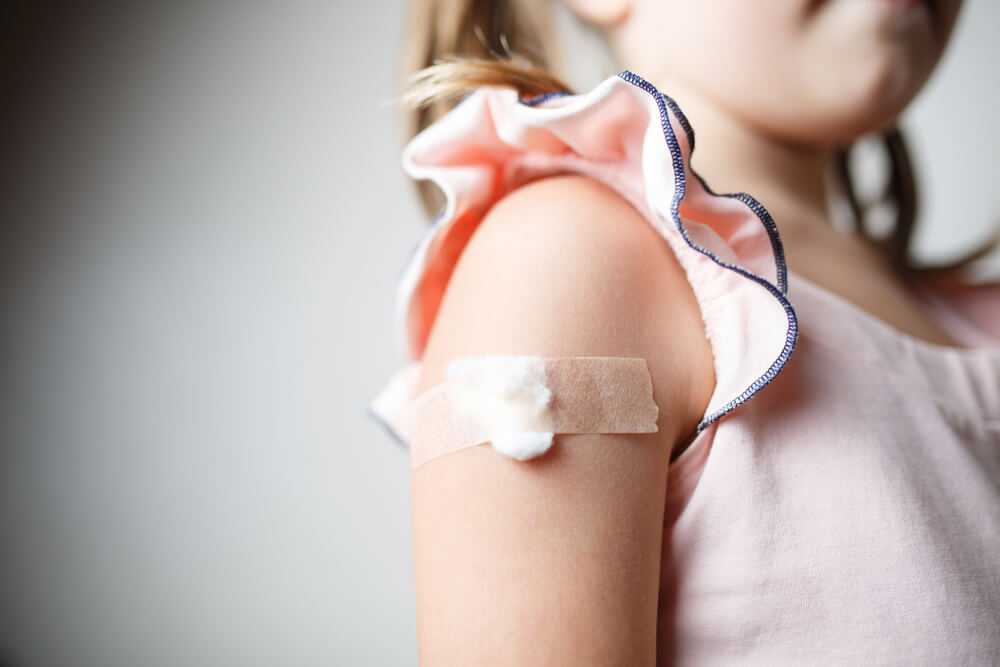
If you’re expecting a little one or have just given birth, you may be wondering if vaccinating him or her is the right thing to do. There’s so much information on the Internet and especially on social media for and against vaccines, you might be wondering if there is any truth to these claims. As a pediatrician and as a pediatric office with over 20 years of experience, we have witnessed firsthand the benefits of vaccinations.
I’m writing this blog to provide you with evidence-based, scientific information to educate you on the importance of vaccinating your children to promote children’s health defense. I understand this can be a sensitive topic and one that may create fear for some of you. You can call my office at (305) 614-6429 to ask any questions about vaccines or inquire about my vaccine policy.
Vaccination Information
Vaccines are, quite possibly, the biggest advancement in the field of medicine. The first vaccine was given in 1796 to inoculate an 8-year-old English boy against cowpox. Since then, the field of immunization has expanded so that vaccines now prevent a number of serious illnesses, including:
- Diphtheria
- Polio
- Hepatitis B
- Measles
- Meningitis (several bacterial types)
- Mumps
- Pertussis (whooping cough)
- Rotavirus
- Rubella
- Tetanus
Eight Reasons Why You Should Vaccinate Your Child
The Centers for Disease Control (CDC), the American Academy of Pediatrics (AAP), and I strongly urge you to vaccinate your children because vaccines prevent serious illness that may lead to death. To help you understand the importance of making this decision for your children, I’ve put together a list of eight reasons why you should vaccinate your child.
-
Vaccinations Protect Against Serious Diseases
The simple truth is that the CDC recommended vaccine schedule is carefully curated because it prevents serious diseases, like Measles and Meningitis. These diseases can cause severe health complications in your child’s life, or lead to their death. As a parent, you want to do everything possible to make sure they don’t contract a potentially fatal disease – especially when contracting it is entirely preventable via a simple vaccine.
-
Vaccine-Preventable Outbreaks Still Happen Today
With fewer people vaccinating their children these days, outbreaks of diseases that were once eradicated in the US are popping up in communities in record numbers. In recent years, for example, there have been outbreaks of Measles in:
- Southern California
- The Oregon/Washington state border
- New York City
Outbreaks occur when infected people from countries where vaccine-preventable diseases still exist travel to or through the United States. The reduced “herd immunity” due to lower vaccine rates means children who aren’t vaccinated are susceptible to catching these diseases; where they can then easily spread throughout communities and even from state to state as individuals within the affected community travel to neighboring states.
For example, you might remember the Southern California measles outbreak a few years ago that was connected to Disneyland in Anaheim, California. Overall, there were 131 confirmed cases of measles in the Orange County, California area, and many of these cases included Disneyland Cast Members. With the illness spreading at the popular tourist destination undetected for weeks, millions of visitors, some of whom were small children too young to be fully vaccinated against the disease, were at risk for contracting this deadly illness. Thankfully, no deaths occurred from this outbreak.
-
The CDC and FDA Make Sure Vaccinations Are Safe
Vaccines are regulated by both the Food & Drug Administration (FDA) and the Centers for Disease Control (CDC). Before a vaccine becomes available on the US market, the FDA rigorously tests it for safety for the general population. No vaccine is allowed to be administered in the US until it has been approved by the FDA. Typically, it takes 10 years for a vaccine to be studied before it is fully licensed.
The CDC studies diseases and the best ways to treat and prevent them. They have worked meticulously to study vaccine-preventable diseases and come up with a recommended timetable for when children should be vaccinated. At the forefront of their recommendations is safety, so you can trust that when the CDC recommends your child receive a particular vaccine, it is safe for him or her to receive it. For example, you are more likely to be struck by lightning than having a severe allergic reaction to a vaccine.
-
Vaccinating Your Children Gives You Peace of Mind
When we become parents, we’re immediately filled with an intense sense of responsibility to protect our children at all costs. Why then would you risk your child developing a serious illness that is completely preventable by not giving a routine shot at their well check visit? Vaccinating children aligns with the maternal and paternal instinct to ensure our children’s safety and wellbeing. There’s so much in this life that we can’t control, but we can control our children from developing a vaccine-preventable disease by having them vaccinated according to the CDC vaccination schedule. And doing so gives parents peace of mind in knowing that they’re doing everything possible to protect their children from contracting preventable diseases.
-
Getting immunization While Pregnant Can Protect Your Newborn
Pregnant moms can begin protecting their babies from vaccine-preventable illnesses before their little ones are even born. The CDC recommends that all pregnant mothers get a flu shot and whooping cough vaccine. Doing so passes on antibodies to your baby in utero, which helps keep them protected from these diseases in the first few months of their life while they are developing their immune system.
-
Even Adults Need Regular immunization
You may think vaccines are just for children. But moms, dads, grandmas, and grandpas need vaccines as well. The CDC recommends that all adults receive the flu shot every year, a whooping cough vaccine if you will be around a newborn, and tetanus shot every 10 years. Adults with underlying health conditions who are at a higher risk for developing complications to certain illnesses should be evaluated by their primary care physicians to see if there are other vaccines they should receive on a regular basis.
-
The Study “Linking” Vaccines to Autism Has Been Proven False
In 1998, British physician Dr. Andrew Wakefield and his colleagues published an article in a British medical journal stating they had studied and found a link between the Measles, Mumps, and Rubella (MMR) vaccine and autism. This article sparked thousands upon thousands of parents to question and reject vaccines for their children. The “study” reported by Dr. Wakefield is false. Several other studies have been conducted finding no link between the MMR vaccine and autism. For example, in 2013, a CDC funded study by Dr. DeStefano and his associates Price and Weintraub that was published in the Journal of Pediatrics provided there’s no connection between vaccines and their components and autism. Furthermore, Dr. Wakefield and his colleagues later rejected the assertion that there was a link between the MMR vaccine and autism. MMR, and all other vaccines, are perfectly safe and vaccines don’t cause autism.
-
Vaccines Are Effective
A final reason to vaccinate your children is because they simply work. Diseases which once ran rampant in our country are now rarely diagnosed because vaccines have been developed to prevent them. And when outbreaks occur, the majority of the cases of the illnesses are from people who are unvaccinated or undervaccinated.
Dangers of Not Vaccinating
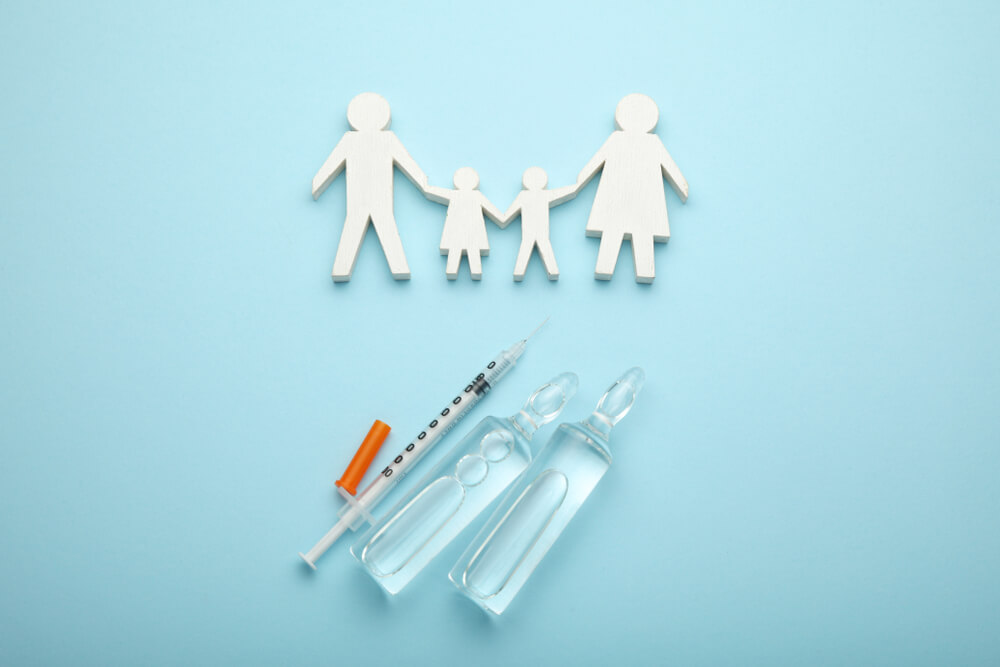
Scientists and physicians like myself recognize that there are two main dangers of not vaccinating your kids. Firstly, if you skip vaccines, you’re putting your child at risk of developing a completely preventable disease that could kill him or her or even cause serious long lasting health issues if the said disease is contracted. Secondly, skipping vaccines lowers your community’s “herd immunity.” Herd immunity refers to the fact that a community in which most people are vaccinated has a significantly low risk of an unvaccinated community member – such as a child who is immunocompromised or too young to be fully vaccinated – from developing a preventable disease like Measles, Rubella, or Diphtheria. This is because even if an infected person from another country came into contact with that community, the majority of people that infected person would interact with, would be immune to the disease; therefore that person would be unable to spread the disease to the community’s small number of unvaccinated members.
Herd immunity is important because not everyone can be vaccinated. People with certain conditions, such as cancer patients undergoing chemotherapy, make a child or adult ineligible for vaccines. These immunocompromised members of our communities rely on the rest of us to get vaccinated so we can protect them too.
Learn More About Children’s Health Defense
I understand that the misinformation on the Internet has provided a level of concern in some parents about the safety of vaccines. I hope this blog post reassures you that vaccines are safe. If you have any questions or would like to discuss children’s health with me, please call my practice.