

Chemotherapy & Immunotherapy for Gynecologic Cancer in Coral Gables, FL
Personalized Chemotherapy Care for Gynecologic Cancers
At Women’s Wellness and GYN Oncology, Dr. Jocelyn Garcia-Sayre provides individualized treatment planning for women diagnosed with gynecologic cancers. As a double board-certified gynecologist and gynecologic oncologist, she combines specialized cancer expertise with a personal, one-on-one approach to help patients understand their diagnosis and treatment options.
Chemotherapy may be used as part of treatment for ovarian, fallopian tube, primary peritoneal, uterine, endometrial, cervical, and other gynecologic cancers, depending on the type and stage of the disease. Treatment plans are tailored to each patient and may incorporate chemotherapy alongside surgery or other therapies when appropriate.
Women’s Wellness and GYN Oncology serves patients in Coral Gables, South Miami, Coconut Grove, Pinecrest, and surrounding Miami-Dade communities.
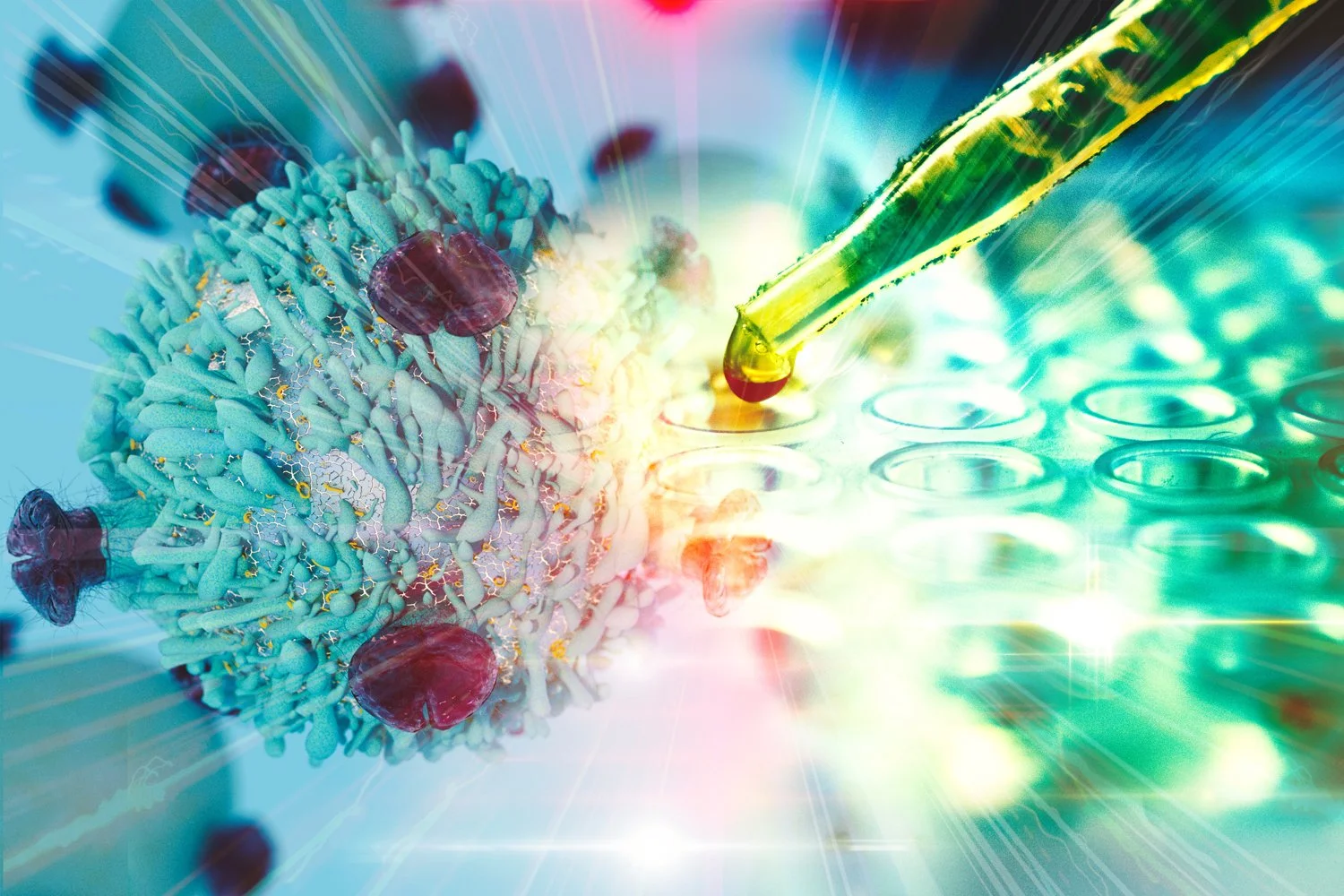
What Is Chemotherapy?
Chemotherapy uses medications that travel through the body to destroy cancer cells or prevent them from continuing to grow and divide. Because chemotherapy can reach cancer cells beyond the original tumor site, it may be used when there is concern that cancer has spread or when treatment is needed throughout the body.
Unlike surgery, which treats cancer in a specific area, chemotherapy is a form of systemic therapy. Depending on the diagnosis, it may be used alone or in combination with surgery, radiation therapy, immunotherapy, targeted therapy, or other treatments.
What Is Immunotherapy?
Immunotherapy is a type of cancer treatment that helps the body’s immune system recognize and attack cancer cells more effectively. Unlike chemotherapy, which works by directly targeting rapidly dividing cells, immunotherapy works by strengthening or restoring the immune system’s ability to identify and respond to cancer.
For certain gynecologic cancers, immunotherapy may be recommended based on the specific type of cancer, its stage, previous treatments, and the presence of certain biomarkers or genetic characteristics. It may be used on its own or in combination with chemotherapy or other cancer treatments.
At Women’s Wellness & GYN Oncology, Dr. Jocelyn Garcia-Sayre develops individualized treatment plans based on each patient’s diagnosis, overall health, and treatment goals, helping determine when immunotherapy may be an appropriate part of care.
When Is Chemotherapy Used for Gynecologic Cancer?
The role of chemotherapy varies depending on the type of gynecologic cancer, its stage, pathology, and other individual factors.
Chemotherapy may be recommended:
- After surgery to reduce the risk of cancer returning
- Before surgery in certain situations to help reduce the extent of disease
- As a primary treatment for some advanced cancers
- Alongside radiation therapy for certain cervical cancers
- To treat recurrent or metastatic gynecologic cancer
- As part of a treatment plan intended to control cancer and relieve symptoms
For epithelial ovarian, fallopian tube, and primary peritoneal cancers, surgery followed by platinum-based chemotherapy has long been an important treatment approach.
For endometrial cancer, chemotherapy may also be used depending on the cancer’s stage and other risk factors, sometimes in combination with radiation, immunotherapy, or other systemic treatments.
For certain stages of cervical cancer, chemotherapy may be administered at the same time as radiation therapy.
Gynecologic Cancers That May Be Treated With Chemotherapy
Chemotherapy may play a role in the treatment of:
- Ovarian cancer
- Fallopian tube cancer
- Primary peritoneal cancer
- Endometrial cancer
- Uterine cancer
- Cervical cancer
- Certain vulvar or vaginal cancers
- Other less common gynecologic cancers
The appropriate treatment depends on much more than the cancer’s location. Factors such as stage, tumor type, prior treatments, overall health, and molecular or genetic characteristics may all influence treatment recommendations.
What Are the Goals of Chemotherapy?
The purpose of chemotherapy can vary from one patient to another.
Depending on the diagnosis and stage of cancer, treatment may be intended to:
- Eliminate cancer when cure is possible
- Reduce the risk of cancer returning after treatment
- Shrink or control tumors
- Slow the progression of cancer
- Relieve cancer-related symptoms
- Improve or maintain quality of life

A Personalized Approach to Cancer Treatment
No two cancer diagnoses are exactly alike. Dr. Garcia-Sayre evaluates each patient individually and develops treatment recommendations based on the specific characteristics of the cancer and the patient’s overall health.
When additional specialists are needed, she works with a multidisciplinary care team to help coordinate treatment and ensure patients have access to the appropriate expertise throughout their cancer journey.
Just as importantly, Dr. Garcia-Sayre takes time to explain treatment options, answer questions, and help patients understand what to expect. The goal is for every patient to feel informed and supported throughout each stage of care.
What to Expect During Chemotherapy Treatment
The exact chemotherapy experience varies according to the medications being used and the individual treatment plan.
Before treatment begins, patients typically receive information about:
- The medications being recommended
- How and when treatment will be given
- The expected length of treatment
- Possible side effects
- Laboratory testing or monitoring that may be required
- Symptoms that should be reported to the care team
Chemotherapy is generally given in treatment cycles, which include scheduled treatment periods followed by time for the body to recover.
Gynecologic Oncology Care in Coral Gables
Receiving a cancer diagnosis can bring many questions and important treatment decisions. At Women’s Wellness and GYN Oncology, Dr. Jocelyn Garcia-Sayre provides specialized gynecologic oncology care with an emphasis on clear communication, individualized treatment, and ongoing support.
Our Coral Gables practice welcomes patients from South Miami, Coconut Grove, Pinecrest, and throughout the greater Miami area who are seeking evaluation or treatment for gynecologic cancer.
Frequently Asked Questions About Chemotherapy
Does every gynecologic cancer require chemotherapy?
No. Treatment depends on the type and stage of cancer as well as other individual factors. Some early-stage cancers may primarily be treated with surgery, while other cancers may require chemotherapy, radiation therapy, immunotherapy, targeted therapy, or a combination of approaches.
Is chemotherapy used for ovarian cancer?
Yes. Chemotherapy is one of the primary treatments for many ovarian cancers and is frequently given following surgery. Platinum-based chemotherapy is commonly incorporated into treatment for epithelial ovarian, fallopian tube, and primary peritoneal cancers.
Can chemotherapy be used for uterine or endometrial cancer?
Yes. Depending on the stage and characteristics of the cancer, chemotherapy may be recommended after surgery or for advanced or recurrent endometrial cancer. Other treatments such as radiation, hormone therapy, targeted therapy, or immunotherapy may also be considered.
Is chemotherapy used for cervical cancer?
Yes. For certain cervical cancers, chemotherapy is given together with radiation therapy. It may also be part of treatment for recurrent or metastatic disease.
Will I lose my hair during chemotherapy?
Hair loss depends on the specific chemotherapy medications and doses used. Some treatments are more likely than others to cause hair thinning or hair loss. Dr. Garcia-Sayre and the care team can explain the expected side effects of the medications included in your treatment plan.
What side effects can chemotherapy cause?
Side effects vary depending on the medication, dosage, and individual patient. They may include fatigue, nausea, changes in appetite, lowered blood cell counts, hair loss, or other effects. Your treatment team will discuss expected side effects and how they can be managed before treatment begins.
How long does chemotherapy treatment last?
The number of treatments and length of therapy vary significantly based on the cancer type, stage, medication regimen, response to treatment, and other factors. Patients receive an individualized treatment schedule based on their specific needs.
Schedule a Gynecologic Oncology Consultation
If you have been diagnosed with a gynecologic cancer, received an abnormal test result, or would like a second opinion regarding your treatment options, schedule a consultation with Dr. Jocelyn Garcia-Sayre at Women’s Wellness and GYN Oncology.
Patient Feedback
Alexa M., patient
“After more than ten years with another gynecologist without finding real answers to my health concerns, meeting Dr. Jocelyn Garcia Sayre completely changed my experience as a patient.”
D., patient
“Dr. Garcia-Sayre was amazing. She was very attentive to my concerns, answered my questions and provided me with options that might best suit me. She was everything I was looking for.”
Maria C., patient
“La doctora tiene un trato super especial y dulce, me encanto.”