In today’s world, women have more freedom and opportunity than ever before to make choices about their lives, careers, and families. Yet one biological reality remains unchanged: a woman’s fertility is not indefinite. As women pursue higher education, career growth, travel, or simply take time to find the right partner, many begin to wonder how these life plans might intersect with their reproductive timeline.
At Trogolo Obstetrics and Gynecology, we believe that understanding women’s reproductive choices is a fundamental part of healthcare. We also believe that no woman should feel pressured into rushing her life plans because of fears about future fertility. Thanks to modern science, there are proactive steps women can take to preserve their options—including egg freezing and other innovative methods.
As an obstetrician in Jacksonville, Florida, our team is passionate about educating women on the full spectrum of fertility preservation options. Whether you’re considering egg freezing, exploring other possibilities, or just seeking information for the future, this article is here to help you navigate your journey confidently and knowledgeably.
Understanding Fertility Preservation
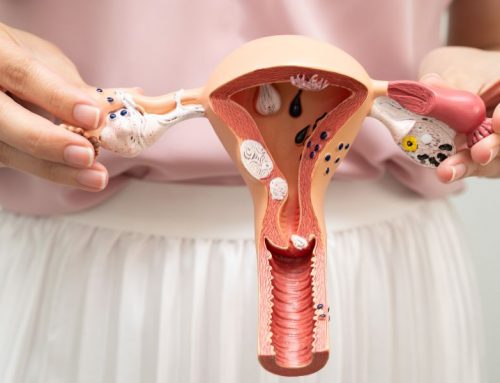
Fertility preservation refers to medical techniques used to safeguard a woman’s ability to have biological children in the future. It’s essentially an insurance policy for your reproductive potential. While no method can guarantee a future pregnancy, fertility preservation gives many women peace of mind and a sense of control over their reproductive timeline.
There are numerous reasons why women might explore fertility preservation:
- Personal Choice: Delaying parenthood for education, career goals, financial stability, or personal reasons.
- Medical Treatments: Facing cancer therapy, surgery, or autoimmune diseases that might damage reproductive organs.
- Family Planning Flexibility: Wanting more time to find the right partner or circumstances for parenthood.
This is where egg freezing and other advanced reproductive technologies come into play.
Age-Related Fertility Decline: The Biological Clock
Before diving deeper into fertility preservation, it’s vital to understand the concept of age-related fertility decline. Women are born with all the eggs they’ll ever have. As time passes, both the quantity and quality of these eggs decrease.
- A woman’s fertility typically peaks in her early to mid-20s.
- By age 30, fertility begins a gradual decline.
- After age 35, the decline accelerates more sharply.
- By 40, fertility has significantly decreased, with higher chances of miscarriage or chromosomal abnormalities.
This process, known as age-related fertility decline, is entirely natural but can feel frustrating for women who aren’t ready for children in their 20s or early 30s.
This is why so many modern women seek information on women’s reproductive choices and how they might preserve their chances of having a biological child later in life.
What is Egg Freezing?
One of the most well-known and powerful options for fertility preservation is egg freezing, medically termed oocyte cryopreservation. The process involves retrieving a woman’s eggs from her ovaries, freezing them, and storing them for future use.
How Egg Freezing Works
The egg freezing process typically follows these steps:
- Ovarian Stimulation: Over 8-14 days, hormone injections stimulate the ovaries to produce multiple eggs rather than the single egg produced in a typical menstrual cycle.
- Monitoring: Through blood tests and ultrasounds, doctors monitor the growth of the follicles (fluid-filled sacs containing eggs).
- Egg Retrieval: Once follicles reach the right size, eggs are retrieved in a minor surgical procedure performed under sedation.
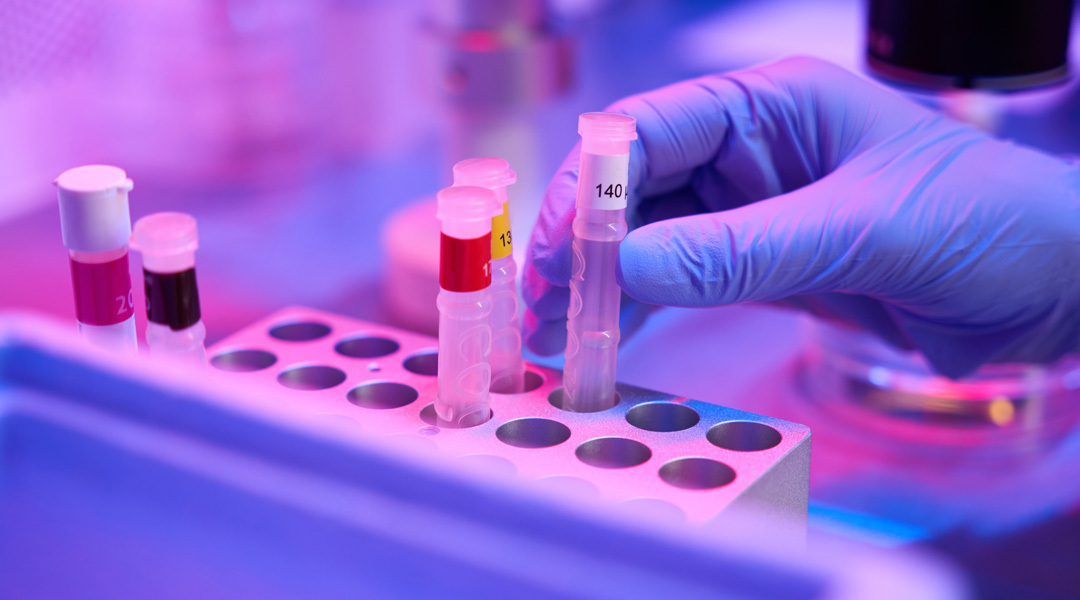
- Freezing: Retrieved eggs are flash-frozen using a technique called vitrification, which prevents ice crystal formation and preserves egg quality.
- Storage: Frozen eggs remain safely stored in cryogenic tanks until a woman is ready to use them.
Later, if a woman decides to try for pregnancy, her frozen eggs can be thawed, fertilized with sperm, and transferred into her uterus via in vitro fertilization (IVF).
Success Rates for Egg Freezing
When discussing egg freezing, one of the biggest questions is: Will it work?
Success rates for egg freezing depend on several factors:
- Age at freezing: Younger eggs are typically healthier and more viable. Freezing before age 35 offers the best odds.
- Number of eggs frozen: The more eggs frozen, the higher the chances of achieving a pregnancy later.
- Overall health: Hormone levels and ovarian reserve play significant roles.
It’s important to remember that while egg freezing improves future options, it’s not a guarantee of pregnancy. However, it offers significant hope and flexibility for many women balancing personal and professional goals.

Who Should Consider Egg Freezing?
Egg freezing is not just for women delaying pregnancy by choice. It’s also crucial for women facing medical treatments that might damage fertility, such as:
- Chemotherapy or radiation for cancer
- Surgeries involving reproductive organs
- Autoimmune diseases requiring aggressive treatment
Women with a family history of early menopause might also consider egg freezing as a precaution.
If you’re contemplating egg freezing, a consultation with a reproductive endocrinologist or a trusted obstetrician in Jacksonville, Florida is a crucial first step. They can help assess your ovarian reserve and discuss your personal chances of success.
Beyond Egg Freezing: Other Fertility Preservation Options
While egg freezing is a powerful tool, it’s not the only method of fertility preservation available. Here’s a look at other innovative options that may fit certain women’s needs.
Embryo Freezing
Instead of freezing eggs alone, some women choose to fertilize their eggs with sperm (from a partner or donor) and then freeze the resulting embryos. Embryo freezing is a well-established technique and often has slightly higher success rates than egg freezing because embryologists can assess embryo quality before freezing.
Embryo freezing may be suitable for women who:
- Have a committed partner and wish to preserve embryos together
- Prefer a higher predictability of success rates
However, legal considerations can arise if circumstances change in the future (e.g., divorce or separation), making it important to discuss all legal and ethical implications beforehand.
Ovarian Tissue Freezing
A newer and experimental method of fertility preservation involves surgically removing and freezing ovarian tissue, which contains thousands of immature eggs. Later, the tissue can be reimplanted to restore fertility or hormone production.
This option is still under research but may be lifesaving for women who cannot delay cancer treatment long enough to undergo egg stimulation and retrieval.
Ovarian Suppression
For some cancer patients, medications called gonadotropin-releasing hormone (GnRH) agonists are used during chemotherapy to suppress ovarian function temporarily. This may reduce the risk of chemotherapy-induced ovarian damage, though it’s not as reliable as egg freezing.
Weighing Women’s Reproductive Choices
When it comes to women’s reproductive choices, no decision is simple or one-size-fits-all. Here are key considerations:
Cost
Egg freezing and other fertility preservation methods can be expensive. Costs vary widely depending on:
- Clinic fees
- Medications
- Storage fees (often billed annually)
Insurance coverage for fertility treatments varies significantly, so it’s essential to clarify benefits ahead of time.
Emotional Impact
The process of egg freezing and other fertility treatments can be physically and emotionally demanding. Hormonal stimulation may cause mood swings, bloating, or discomfort. It’s important to have emotional support during the journey.
Success Rates
While technologies have advanced dramatically, fertility preservation is not a guarantee. Being prepared for various outcomes is crucial for emotional well-being.
Life Plans
A woman’s personal timeline, career goals, relationship status, and medical history all factor into the decision about when or whether to preserve fertility.
Fertility Treatments and Using Frozen Eggs
If you eventually decide to use your frozen eggs or embryos, you’ll undergo fertility treatments similar to IVF. The steps include:
- Thawing eggs or embryos
- Fertilizing thawed eggs with sperm (if eggs were frozen unfertilized)
- Culturing embryos for several days
- Transferring one or more embryos into the uterus
Fertility treatments using frozen eggs or embryos often have high success rates, especially when eggs were frozen at a younger age.
Advances in Egg Freezing Technology
The technology behind egg freezing has advanced tremendously in the past decade. Older methods used slow freezing, which often led to ice crystals damaging egg cells. Today’s modern vitrification techniques allow eggs to be frozen rapidly, preventing damage and greatly improving survival rates upon thawing.
This advancement makes egg freezing a viable and increasingly popular option for many women considering fertility preservation.
Fertility Preservation and Age-Related Fertility Decline
One of the biggest drivers behind growing interest in egg freezing is the reality of age-related fertility decline. Even the healthiest women experience a drop in fertility as they age.
Freezing eggs at a younger age, ideally before 35, offers the best chance of future success. While it’s possible to freeze eggs later, egg quantity and quality decrease with age, making it harder to achieve pregnancy with older eggs.
Women today are more aware than ever of age-related fertility decline, and they’re taking proactive steps to preserve their reproductive choices.
Empowering Women’s Reproductive Choices
At Trogolo Obstetrics and Gynecology, we believe that knowledge is power. We want women to have access to up-to-date information about fertility preservation, egg freezing, and other options that can support their future family goals.
Key points for women considering fertility preservation include:
- Learn about your ovarian reserve through basic bloodwork and ultrasounds.
- Start conversations early—especially if you may be undergoing medical treatments such as chemotherapy.
- Weigh financial, emotional, and personal factors carefully.
- Seek guidance and support from qualified specialists.
Every woman’s reproductive journey is unique. No single path is right for everyone, and each decision deserves respect and thoughtful support.
A Final Note on Fertility Preservation
Thinking about fertility preservation can feel overwhelming, but it’s ultimately about understanding your options. Whether you’re curious about egg freezing for personal reasons or facing a medical diagnosis, today’s medical advances provide opportunities to plan for the future on your terms.
At Trogolo Obstetrics and Gynecology, our role is to provide education, perform preliminary evaluations, and discuss next steps. When appropriate, we connect women with trusted fertility specialists for advanced care. We’re here to answer your questions, ease concerns, and help you take the first steps toward informed decision-making.
If you’re considering fertility preservation or simply want to learn more about your reproductive health – request an appointment with our compassionate team. Your reproductive future matters, and we’re here to help you navigate it with clarity and confidence.