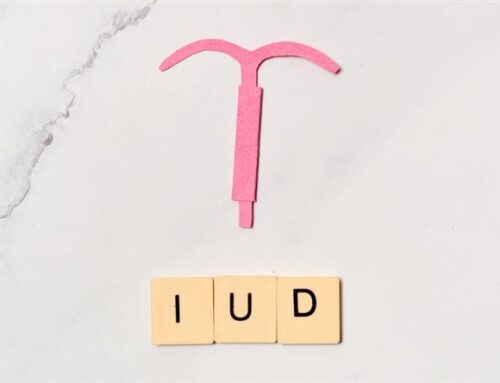

Most things you’ve heard about birth control aren’t true. Those myths about birth control pills and other methods can make choosing the right option confusing. If you’re ready to cut through the noise and learn the truth about birth control, this guide will share clear contraception facts you can trust. Whether you live in Florida or want to speak with an obstetrician in Jacksonville, Florida the facts matter more than ever.
Common Birth Control Myths
When it comes to birth control, myths are everywhere. These misconceptions can muddy the waters when you’re trying to make informed decisions. Let’s break down some of these myths and set the record straight.
Misconceptions About Effectiveness
Many people believe that all birth control methods are foolproof. This is far from true. It’s important to know that each method has a different success rate. For instance, birth control pills are about 99% effective when used perfectly, but in real-world use, they’re around 91% effective. This means that out of 100 women, nine might get pregnant each year even while taking the pill. You should also consider factors like consistency. Forgetting to take a pill can decrease its effectiveness, and using condoms incorrectly can lead to failure. Understanding these nuances helps you choose the right method for your lifestyle.
Myths About Contraception and Health
There’s a common belief that contraception harms your health. This leads many to avoid using it altogether. In reality, most birth control methods are safe for the majority of women. Some even offer health benefits beyond pregnancy prevention. For example, birth control pills can help regulate periods and reduce cramps. It’s essential to consult with a healthcare provider to discuss any health concerns you might have. They can offer personalized advice that considers your unique health profile.
Myths About Birth Control Pills
Birth control pills often get a bad rap, with myths suggesting they cause weight gain or infertility. However, studies show that the pill does not significantly affect weight for most users. Similarly, it does not cause long-term fertility issues. Once you stop taking the pill, your fertility returns to normal relatively quickly. It’s crucial to rely on facts rather than myths when deciding whether the pill is right for you. If in doubt, talk to a healthcare provider who can offer evidence-based guidance tailored to your needs.
Truth About Birth Control
Now that we’ve debunked some myths, let’s delve into the facts. Understanding the truth about birth control can empower you to make informed choices for your health and well-being.
Contraception Facts You Should Know
Here’s the key insight: birth control comes in various forms, and each type offers different benefits. Contraception facts show that methods like IUDs and implants are among the most effective. They require little maintenance and last for several years. Other methods, like condoms, also protect against sexually transmitted infections. Knowing these details can guide you in choosing a method that aligns with your priorities.

Birth Control Facts From Experts
Experts stress the importance of understanding how each method works. For example, hormonal methods like the pill prevent ovulation, while barriers like condoms block sperm. Consulting a gynecology specialist in Jacksonville can provide you with professional insights tailored to your needs. Experts can help you weigh the pros and cons of each option, ensuring you choose a method that fits your lifestyle.
Insights From a Gynecology Specialist
Specialists often say that no single method is perfect for everyone. Your choice should depend on your health, lifestyle, and reproductive goals. A specialist can address any concerns you might have and help you navigate the complexities of birth control. Remember, the longer you wait to consult an expert, the more you delay finding a method that works best for you.
Choosing the Right Method
Choosing the right birth control method is a personal decision. It requires understanding your options and considering factors that are unique to your situation.
Understanding Different Options
There are many options available, from hormonal methods like pills and patches to non-hormonal ones like copper IUDs. Each has its pros and cons. Hormonal methods might regulate periods, while non-hormonal options are ideal for those who prefer to avoid hormones. Knowing these options empowers you to make an informed choice. Don’t forget to weigh these factors against your own needs and lifestyle.
Factors to Consider for Your Lifestyle
Your lifestyle plays a significant role in determining the best birth control method. If you have a busy schedule, a low-maintenance option like an implant might be ideal. On the other hand, if you prefer more control, you might opt for methods that require daily attention, like the pill. Consider your routine, health conditions, and reproductive goals when making your choice. Discussing these factors with a healthcare provider can further simplify your decision-making process.
Request an Appointment With a Specialist
If you’re feeling overwhelmed, don’t hesitate to seek professional advice. A specialist can offer personalized recommendations based on your health history and lifestyle. They can also help you address any lingering concerns. Request an appointment to discuss your options and ensure that you’re making the best decision for your health.
Addressing Concerns and Side Effects
It’s natural to have concerns about side effects when considering birth control. Understanding what to expect can help ease your worries.
Common Side Effects Explained
Most birth control methods have some side effects, but they vary from person to person. Common side effects of hormonal methods might include nausea or mood changes. However, these often subside after a few months of use. Non-hormonal methods like copper IUDs might cause heavier periods initially. Knowing these potential side effects helps you prepare and manage them effectively.
Managing Birth Control Concerns
If you experience side effects, there are ways to manage them. Adjusting your method or dosage might alleviate discomfort. It’s important to communicate with your healthcare provider about any concerns. They can offer solutions and adjustments as needed. Remember, finding the right method sometimes requires patience and persistence.
Supportive Resources and Guidance
You’re not alone in this journey. Many resources are available to help you navigate birth control options. Health centers and online forums offer information and support. Trusted resources can guide you through your choices and help you feel more confident in your decisions. Seeking guidance ensures you’re well-informed and empowered to take control of your reproductive health.