
Choosing birth control is a deeply personal decision. Many women today are drawn to intrauterine devices (IUDs) for their long-term protection, low maintenance, and high effectiveness. One common and important question we hear is, “Does getting an IUD hurt?”
At Trogolo Obstetrics and Gynecology, we understand how concerns about discomfort or pain can affect your confidence in choosing an IUD. As a gynecology specialist in Jacksonville, Florida, we want you to feel prepared, informed, and supported when considering this option. That includes understanding what IUD insertion involves, how it might feel, and how to manage any pain before or after the procedure.
Let’s walk through the full experience so you know exactly what to expect.
What Is an IUD?
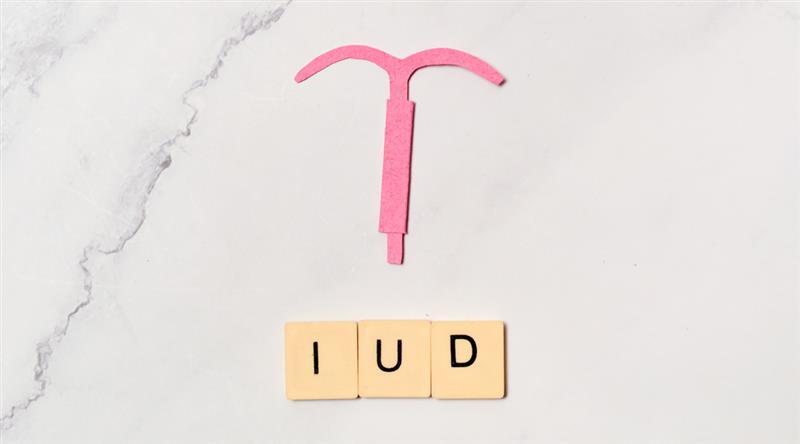
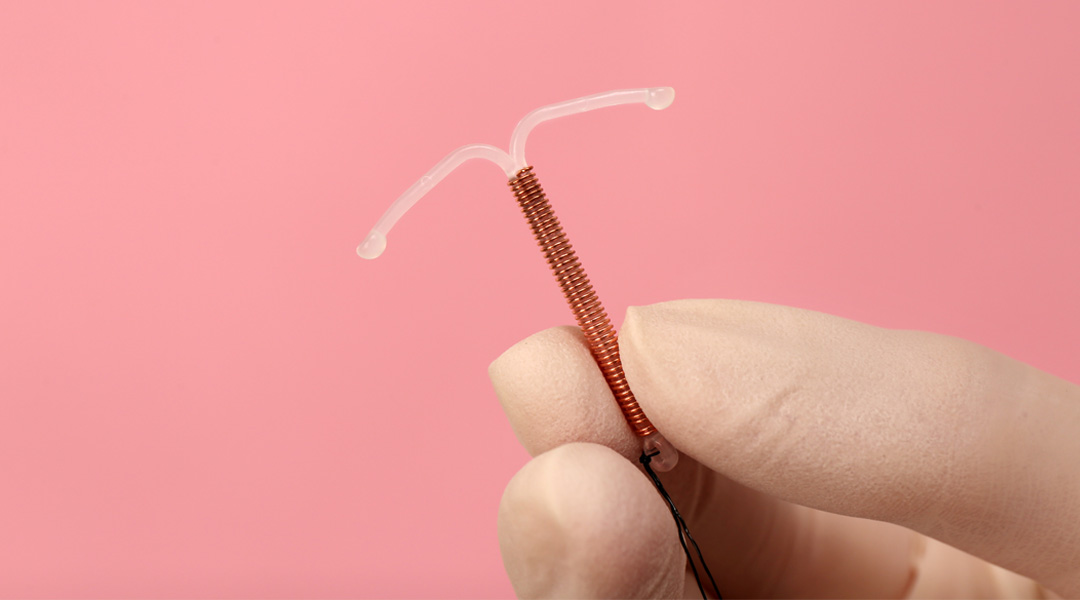
An intrauterine device (IUD) is a small, T-shaped piece of flexible plastic inserted into the uterus to prevent pregnancy. There are two main types of IUDs:
- Hormonal IUDs, which release a small amount of progestin
- Copper IUDs, which use copper’s natural properties to prevent fertilization
Both types last several years, ranging from 3 to 10, making them one of the most convenient birth control methods available.
Why Choose an IUD?
More and more women are choosing IUDs for their reliability and convenience. Key benefits include:
- Over 99% effectiveness
- No daily pills or weekly patches
- Long-term protection without permanent changes
- Rapid return to fertility after removal
- Safe for many women, including those who cannot take estrogen
Despite these benefits, many still hesitate, often because they wonder, “Does getting an IUD hurt?” It’s a fair concern. Let’s explore that in depth.
Does Getting an IUD Hurt?
This question has no one-size-fits-all answer. For some women, the experience is mildly uncomfortable. For others, it can be painful, but only briefly.
To better understand whether getting an IUD hurts, it helps to break the process down into steps. Each part of the procedure may feel different depending on your anatomy, pain threshold, and whether you’ve had children.
The IUD Insertion Process: Step by Step
Understanding what happens during the procedure helps demystify the experience. Here’s how a typical IUD insertion works:
- Preparation
You’ll lie back on the exam table with your feet in stirrups, similar to a routine pelvic exam. The provider inserts a speculum to visualize the cervix. - Cervical Cleansing and Measurement
The cervix is cleaned, and a special instrument may be used to measure the uterus. Some women feel cramping at this stage. - Insertion
The IUD is loaded into a thin applicator tube, which is gently passed through the cervix into the uterus. Once in place, the device is released and the applicator removed. - Trimming the Strings
The provider trims the IUD strings so they rest just at the top of the vaginal canal.
Total time: 5 to 10 minutes. But the moment of actual insertion only lasts a few seconds.
Does Inserting an IUD Hurt for Everyone?
This is where the experience varies. Many describe it as a few seconds of intense cramping, like a strong menstrual cramp. Some feel lightheaded or dizzy afterward. Others feel no more than minor pressure.
To answer “does inserting an IUD hurt”, let’s look at factors that affect the level of discomfort:
Factors That May Affect Pain:
Vaginal birth history: Women who’ve given birth vaginally often find IUD insertion less painful.
Cervical tightness: A tight or resistant cervix may increase discomfort.
Anxiety or tension: Muscle tension can heighten pain. Deep breathing and relaxing pelvic muscles can help.
Cycle timing: Inserting an IUD during your period, when the cervix is naturally more open, may reduce pain.
Describing the Pain: What Patients Say
Descriptions of IUD insertion pain vary widely:
- “Like a strong cramp that passed quickly.”
- “Pressure and pinching, but not unbearable.”
- “Worse than a Pap smear, but over fast.”
- “I needed to lie down after. I felt faint for a few minutes.”
While some women experience pain, for most, the discomfort is brief and manageable.
Pain Management Options Before IUD Insertion
We don’t believe anyone should suffer through avoidable pain. Here are several ways to reduce IUD insertion discomfort:
- Over-the-Counter Pain Relief
Taking ibuprofen (Advil, Motrin) 30–60 minutes before your appointment can help reduce cramping. - Numbing Medications
Some providers apply a local anesthetic to the cervix. - Cervical Softening Medications
For some women, especially those who haven’t had children, a medication like misoprostol may be prescribed to soften the cervix. - Relaxation Techniques
Breathing exercises or listening to music can help relax the body and ease the procedure.
Aftercare: What to Expect Post-Insertion
Once the IUD is placed, it begins working right away (for copper IUDs) or within a week (for some hormonal IUDs). Mild cramping and spotting are common for a few days.
You might experience:
- Cramping for a few hours to a couple of days
- Spotting or irregular bleeding for a few weeks
- Lightheadedness immediately after insertion
Severe pain, heavy bleeding, or fever is not normal. Always contact your provider if something feels off.
Can You Treat IUD Insertion Pain if It Lasts?
Yes. If cramping continues, try the following:
- Use a heating pad on your lower abdomen
- Continue taking ibuprofen as directed
- Rest and avoid strenuous activity for 24 hours
- Follow up with your provider to confirm correct IUD placement
When to Contact Your Provider
While complications are rare, they do happen. Contact your provider if you experience:
- Sharp or severe pain
- Fever or chills
- Foul-smelling discharge
- Inability to feel the IUD strings
- Persistent or heavy bleeding
Do IUDs Hurt After Insertion?
Some women continue to wonder, “Do IUDs hurt?” even days or weeks after placement. Once your body adjusts, you shouldn’t feel your IUD at all.
If discomfort continues long-term, it may be a sign the IUD is out of place or not the best option for your body. A quick check with your provider can bring clarity and peace of mind.
Removing an IUD: Is It Painful?
IUD removal is typically quick and less uncomfortable than insertion. Most describe it as a brief tug with slight cramping. It takes only seconds and rarely requires any pain relief.
Who Shouldn’t Get an IUD?
While safe for most, IUDs may not be appropriate for individuals with:
- Active pelvic infections
- Uterine abnormalities
- Unexplained vaginal bleeding
- Certain cancers
A consultation with your provider will help determine if it’s the right method for you.
IUD Alternatives
While safe for most, IUDs may not be appropriate for individuals with:
- Active pelvic infections
- Uterine abnormalities
- Unexplained vaginal bleeding
- Certain cancers
A consultation with your provider will help determine if it’s the right method for you.
Should I Avoid IUDs Because of Pain?
For most women, a few seconds of discomfort are outweighed by years of effective, low-maintenance birth control. When we revisit the question, “Does getting an IUD hurt?” the answer is:
- Yes, it might hurt briefly
- No, it’s not unbearable for most
- And yes, it’s often worth it
Preparation and support make a major difference.
Empowering You to Choose
Every woman deserves birth control that works for her body and her lifestyle. If you’re wondering, “Does inserting an IUD hurt?” you’re not alone.
What matters most is making an informed decision with a provider who respects your preferences and explains your options clearly.
Final Thoughts
At Trogolo Obstetrics and Gynecology, we’re here to make sure you never feel rushed, judged, or uninformed. Whether you’re thinking about an IUD, curious about other methods, or have had a tough experience in the past, we’ll help you navigate what works for your body.
We invite you to request an appointment with our team if you have questions about IUDs, birth control, or any other reproductive health decision. Together, we’ll find the option that feels right, physically, emotionally, and confidently.