
Forget everything you’ve heard about birth control. It’s time to get to the heart of the matter. You might be wondering, “Is birth control bad for you?” With so much conflicting information out there, it’s easy to feel overwhelmed. In this post, we’ll break down the truth about birth control, covering safety and benefits, so you can make informed decisions for your health. Another important decision is finding a professional and trustworthy obstetrician in Jacksonville, Florida, so are you ready to find out what you really need to know? Let’s dive in.
Understanding Birth Control
The Basics of Birth Control
Birth control, also known as contraception, encompasses a variety of methods used to prevent pregnancy. The main goal is to give individuals the power to plan if and when they want to have children. Methods range from hormonal pills and patches to barrier methods like condoms and diaphragms.
Hormonal methods, such as the pill, work by altering the body’s natural hormone levels to prevent ovulation. This means no egg is released for fertilization. Barrier methods, on the other hand, physically block sperm from reaching an egg. Each method has its own benefits and drawbacks.
The choice of birth control method often depends on personal preferences, health considerations, and lifestyle. It’s crucial to understand each type’s use and purpose to choose the best option for your needs. Consulting with a healthcare provider can help guide this decision, ensuring an effective and safe choice for your situation.
Different Types of Birth Control
There are several types of birth control available, each with unique features. Hormonal methods include pills, patches, injectables, and implants. These disrupt the menstrual cycle to prevent pregnancy. Barrier methods consist of condoms, diaphragms, and cervical caps. These physically block sperm from entering the uterus.
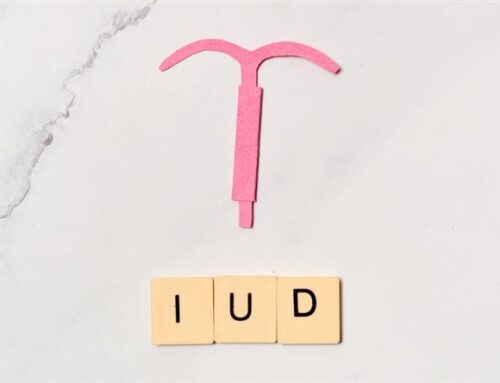
Intrauterine devices (IUDs) are another option. They are small devices inserted into the uterus to prevent fertilization. IUDs can be hormonal or non-hormonal, with some lasting up to a decade. Natural methods like fertility awareness involve tracking the menstrual cycle to avoid intercourse on fertile days.
Each method has different effectiveness rates and side effects. It’s important to weigh these factors alongside personal lifestyle and health needs. For many, a combination of methods may provide the best protection and peace of mind. Consulting a healthcare provider can offer more personalized advice.
How Birth Control Works
Understanding how birth control works involves grasping the mechanisms behind different methods. Hormonal birth control alters the body’s natural hormone levels. Preventing ovulation is its primary function, ensuring no egg is available for fertilization. It also thickens cervical mucus, making it harder for sperm to reach an egg.
Barrier methods operate by preventing sperm from entering the uterus. They act as a physical block, with condoms being the most common example. Effectiveness depends on correct and consistent use. IUDs either release hormones or use copper to create an environment hostile to sperm.
Each method has a different mechanism, but the ultimate goal is to prevent pregnancy. Understanding these processes helps in choosing a method that aligns with personal preferences and health needs. Accurate information and professional consultation are essential for making informed decisions.
Health Impacts of Birth Control
Common Side Effects
Birth control methods often come with side effects, varying from mild to severe. Hormonal methods such as pills or patches can cause nausea, weight gain, mood changes, and headaches. Some people might experience spotting between periods or changes in menstrual flow.
Barrier methods typically have fewer side effects. However, some users might experience irritation or allergic reactions to materials, like latex in condoms. IUDs may cause cramping or irregular bleeding, especially soon after insertion.
Understanding these side effects helps in anticipating and managing them. It’s important to communicate with healthcare providers about any adverse effects experienced. They can offer solutions or suggest alternative methods that might suit your body better. Monitoring your body’s response is key to maintaining comfort and health.
Long-term Health Considerations
Long-term use of birth control can have significant health implications. Hormonal birth control may reduce the risk of certain cancers, such as ovarian and endometrial cancer.
For some, birth control injections (medroxyprogesterone) may lead to bone density loss over time in some patients and should be monitored through bone density scans every two years while using this form of birth control. It’s important to assess these risks, especially for those with a family history of osteoporosis. Barrier methods have minimal long-term health effects, but they require consistent use to be effective.
Consideration of these factors is essential for long-term health planning. Regular check-ups with healthcare providers can help navigate these concerns, ensuring that the benefits of birth control outweigh potential risks. Making informed decisions requires understanding both short and long-term health impacts.
Is Birth Control Bad for You?
Determining whether birth control is “bad” requires a nuanced approach. The truth about birth control involves weighing its benefits against potential risks. For many, the ability to prevent pregnancy and manage reproductive health outweighs side effects. It’s about balancing personal health needs with lifestyle choices.
Some individuals experience side effects that make certain methods unsuitable, but many find a method that aligns with their health. Consulting healthcare providers can provide clarity and tailored advice. It’s not about categorizing birth control as good or bad, but about finding what’s right for you.
Ultimately, birth control is a tool for empowerment, offering control over reproductive health. Understanding its impacts, both positive and negative, enables informed decisions. With the right information, you can choose a method that supports your health and lifestyle goals.
Benefits of Birth Control
Reasons to Take Birth Control
Birth control offers numerous benefits beyond pregnancy prevention. Regulating menstrual cycles is a common reason many choose hormonal methods. They can alleviate symptoms of conditions like polycystic ovary syndrome (PCOS) and endometriosis, providing relief from pain and heavy bleeding.
For others, acne improvement is a significant advantage. Hormonal birth control can reduce androgen levels, decreasing acne severity. Family planning is another critical benefit, enabling individuals to decide when and if they want to conceive, supporting personal and professional aspirations.
Choosing birth control is often about more than just preventing pregnancy. It’s about enhancing quality of life. By addressing various health concerns, birth control can be an essential component of overall wellness. Understanding these benefits can guide you in making informed choices about your reproductive health.
Safe Birth Control Options
When considering safe birth control, effectiveness and side effects are key factors. Hormonal methods like the pill and patch are highly effective but come with potential side effects. IUDs offer long-term protection with minimal maintenance, making them a popular choice.
Barrier methods like condoms provide effective protection with no hormonal side effects, doubling as protection against sexually transmitted infections (STIs). For those seeking non-hormonal options, natural methods and copper IUDs offer viable alternatives.
Safety in birth control is about compatibility with your health and lifestyle. Consulting with a healthcare provider ensures you choose an option that is both effective and safe for you. Tailoring your choice to personal needs and circumstances can help achieve the best outcomes.
Empowerment Through Birth Control
Birth control is a powerful tool for empowerment, granting control over one’s reproductive health. It allows individuals to pursue education and career goals without the interruption of unplanned pregnancies. This control over timing can lead to more stable family and financial planning.
Beyond practical benefits, birth control can enhance personal autonomy. It represents a choice—to decide when and if to become a parent. This freedom can lead to greater confidence and life satisfaction, knowing your reproductive health is in your hands.
Empowerment through birth control is about more than just health—it’s about choices and opportunities. Understanding the role of birth control in personal empowerment can inspire informed decisions that align with your life goals and values.

Making Informed Choices
Should I Get on Birth Control?
Deciding to start birth control is a personal choice that involves various considerations. Assessing individual health needs and lifestyle is crucial. People may choose birth control for reasons beyond preventing pregnancy, such as regulating menstrual cycles or managing hormonal conditions.
Discussing options with a healthcare provider can clarify which methods fit your specific needs. They can provide insights into the benefits and risks associated with each type of birth control. Consider factors like ease of use, side effects, and long-term health impacts.
Making an informed decision about birth control involves evaluating personal priorities and health goals. With the right information and guidance, you can choose a method that supports your health and lifestyle preferences, ensuring the best outcome for your reproductive health.
Consulting an Obstetrician in Jacksonville, Florida
For personalized advice, consulting an obstetrician in Jacksonville, Florida, can be invaluable. These professionals offer insights tailored to your health history and lifestyle. They can provide guidance on choosing the most suitable birth control method, taking into account your specific needs and concerns.
An obstetrician can also help navigate any side effects or complications that arise. Regular consultations ensure that your birth control method remains appropriate as your life circumstances change. This professional guidance is essential for maintaining reproductive health.
Finding a knowledgeable and supportive obstetrician can make a significant difference. They act as partners in your healthcare journey, offering expertise and understanding to help you make confident, informed choices about your birth control and reproductive health.
Request an Appointment for Personalized Advice
Getting personalized advice is a step towards making the best birth control choice. Requesting an appointment with a healthcare provider ensures you receive tailored information and support. This can be pivotal in addressing specific health concerns and preferences.
During an appointment, you can discuss various birth control methods, side effects, and health impacts. This consultation provides an opportunity to ask questions and express concerns, ensuring a comprehensive understanding of your options.
An appointment is not just about receiving advice. It’s a chance to partner with healthcare professionals in managing your reproductive health. By investing in personalized care, you empower yourself to make informed, confident decisions about birth control.
Myths and Misconceptions
Debunking the Truth About Birth Control
The truth about birth control is often clouded by myths and misconceptions. Common myths include beliefs about negative health impacts or ineffectiveness. It’s crucial to differentiate between fact and fiction to make informed decisions.
Many believe that long-term use of birth control can cause infertility. This is a misconception. Fertility typically returns to normal after stopping hormonal birth control. Another myth is that all birth control methods cause significant weight gain, which isn’t universally true.
Understanding the truth about birth control involves dispelling these myths. Accurate information from reliable sources can help clarify these misconceptions. Educating yourself ensures that your choices are based on facts, not misinformation, empowering you to make the best decisions for your health.
Addressing Common Concerns
Common concerns about birth control often relate to side effects and health impacts. It’s natural to worry about how a method might affect your body. Side effects vary among individuals and methods, with some experiencing minimal issues and others facing challenges.
Many worry about the long-term impact on fertility or increased cancer risk. While some methods carry risks, they often also provide protective benefits against certain conditions. Discussing these concerns with a healthcare provider can provide reassurance and clarity.
Addressing these concerns is about understanding the facts and consulting professionals. This approach ensures you have a balanced view of birth control’s risks and benefits. With accurate information, you can confidently choose a method that aligns with your health goals.
Finding Reliable Information Sources
Finding reliable information is crucial for making informed birth control decisions. Healthcare providers are a primary source, offering professional advice and up-to-date information. Their expertise helps clarify complex topics and personalize recommendations.
Online resources can also be helpful, but it’s vital to ensure they are credible. Trusted medical websites and organizations provide comprehensive and accurate information. Avoid sources that lack scientific backing or promote myths and misconceptions.
Reliable information empowers you to make well-informed decisions about your reproductive health. By choosing credible sources and consulting professionals, you gain a clearer understanding of birth control options, ensuring confidence in your choices.