Services
In-Office Procedures

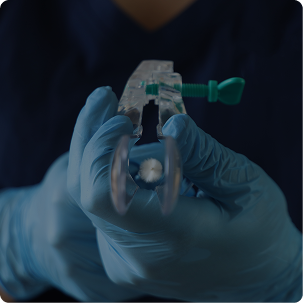
Colposcopy
Colposcopy Q & A
What is a colposcopy?
A colposcopy looks closely at the tissue of the cervix, vulva, and vagina to scan for visible signs of irregular cells. If any are noted, a biopsy of tissue is taken for testing. While it’s a common procedure, it can be stressful for the patient, due to the sensitive location of the procedure, as well as the unknowns about a potential health problem. While abnormal pap smears suggest cancer or precancerous conditions, that’s not all that a positive result can mean, so the colposcopy is simply the next diagnostic step, and not in itself a suggestion of active cancer. Cancer of the cervix takes years to develop and has easily detectable traits that start early.
Is a colposcopy risky?
Complications from a colposcopy are rare. The greatest risk of complication comes if a biopsy is taken, which happens only if suspicious tissue is apparent. Complications could include heavy bleeding, pelvic pain, and infection. Seek immediate medical attention if you experience any of these symptoms:
- Bleeding that’s heavier than a typical menstrual period
- Chills or fever
- Severe pelvic or abdominal pain

Intrauterine Device
Intrauterine Device Q & A
What is an IUD?
An IUD is a small T-shaped device made of plastic. As its name implies, it’s inserted into the uterus. A string is attached to the device and hangs down through the cervix into the top of the vagina. The string verifies that the IUD is in place, and can be used by the doctor to remove the device.
The IUD works two ways to help prevent pregnancy. First, it contains materials that kill or damage sperm, to help prevent the egg from being fertilized. Second, its presence affects the uterine lining, preventing any fertilized eggs from implanting.
Two common types of IUDs use either copper wrapping or hormones to kill sperm in the uterus. Copper is toxic to sperm and makes the uterus excrete a fluid that kills sperm. Hormonal IUDs damage or kill sperm, and also change conditions in the uterus to prevent pregnancy.
Can any fertile woman use an IUD?
Almost any woman can use an IUD. There are common misconceptions that young women and those who haven’t been previously pregnant are not candidates for IUDs, but this information is false. IUDs are an ideal option for a woman seeking a reversible form of contraception that doesn’t rely on daily maintenance or time-of-intercourse actions. The success rate for IUDs is about 99%, and depending on the brand and type of device, IUDs have an effective life of between 3 and 10 years.
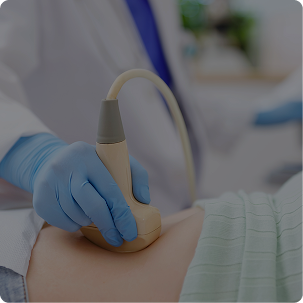
Ultrasounds
Ultrasounds Q & A
How do ultrasounds work?
Ultrasound uses echoes of high-frequency sound waves to create images of conditions within the body. The ultrasound transducer both sends and receives sound waves, which are then converted into an image, based on the minute time differences in the echoed waves. The waves are non-invasive and present no form of radiation, like X-rays do. There’s typically no preparation for an ultrasound test, though you may be asked to come to the test with a full bladder for some ultrasounds, or asked to avoid food and drink for others. There’s no pain or discomfort during an ultrasound test apart from the pressure of the transducer, which is usually minimal, although scanning a particularly tender area may cause discomfort.
Why are fetal ultrasounds done?
During the first trimester, ultrasound testing evaluates the initial condition of the pregnancy, confirming the presence, size, and number of fetuses. Sonographic genetic screening is possible, and the mother’s uterus and cervix are checked for abnormalities. Fetal anatomy is checked At 18-20 weeks, fetal anatomy and pregnancy progression are checked. Additional ultrasounds may be done later if there are conditions that need to be monitored, such as fetal growth and amniotic fluid volume.
Telephone
Patient Feedback
Celia Q.
“I have Dr. Goldberg as my doctor for so many years. My 2 daughters are also under his great care! I am so appreciative of the respect Dr. Goldberg gives to my questions, and the time and attention he gives to me. Really recommend him!”
Sheri T.
“I’ve been a patient of Dr. Goldberg for over two decades. He and his staff have consistently demonstrated exceptional kindness and professionalism. Visiting the OB/GYN clinic can be an uncomfortable experience, but Dr. Goldberg’s gentle and calming demeanor always puts me at ease. I genuinely appreciate all the doctors, nurses, and office staff at his practice.”
Maria C.
“Dr. Goldberg took the time to listen to my concerns and answered all my questions with patience and clarity. His knowledge and expertise were evident, and he provided recommendations tailored specifically to my health needs. I appreciated his compassionate approach, which made me feel comfortable.”