
Emergency contraception plays an important role in reproductive health. When a condom breaks, birth control is missed, or sex happens unexpectedly, many people look for fast, reliable options to reduce the risk of pregnancy. While Plan B is widely known, it is far from the only choice available. Understanding plan b alternatives and how different emergency options work can help you make informed decisions during stressful moments.
At Trogolo Obstetrics and Gynecology, we believe access to accurate information matters. As a gynecology specialist in Jacksonville, Florida, our goal is to help patients understand their options clearly and confidently. This guide explains the types of morning after pills, how they work, when to use them, and what factors influence effectiveness. Knowing your choices in advance can make an unexpected situation feel far more manageable.
What Are Morning After Pills?
Morning after pills are medications used to reduce the chance of pregnancy after unprotected sex or contraceptive failure. They work primarily by delaying ovulation, which prevents the release of an egg. If ovulation does not occur, fertilization cannot happen.
These medications are sometimes referred to as emergency pills because they are intended for urgent situations rather than regular birth control use. They are not abortion medications and will not affect an existing pregnancy.
Understanding how morning after pills function helps clarify when they are useful and what limitations they have.
How Emergency Pills Work
All emergency pills work best when taken as soon as possible after unprotected sex. Their primary mechanism is to delay or prevent ovulation. If ovulation has already occurred, emergency contraception may be less effective.
Key points about how emergency pills work:
- They prevent or delay ovulation.
- They do not terminate an existing pregnancy.
- They are not intended for routine contraception.
- Effectiveness decreases over time after intercourse.
Timing is one of the most important factors in determining success, regardless of which option you choose.
Why Consider Plan B Alternatives?
Plan B is the most recognized emergency contraception brand, but it is not the only option. Many people seek plan b alternatives for several reasons:
- Body weight may affect effectiveness.
- Timing of use may exceed Plan B’s recommended window.
- Availability or cost concerns.
- Preference for non-pill emergency options.
- Previous side effects from Plan B.
Exploring plan b alternatives allows individuals to find the option that best matches their situation and health needs.
Types of Morning After Pills
There are multiple types of morning after pills available, each with different active ingredients and usage windows. Understanding these differences helps ensure appropriate use.
Levonorgestrel-Based Pills
Levonorgestrel is the active ingredient in Plan B and several generic versions. These pills are most effective when taken within 72 hours after unprotected sex. Their effectiveness decreases with time and may be lower for individuals with higher body weight.
These are commonly used morning after pills and are available over the counter without a prescription.
Ulipristal Acetate Pills
Ulipristal acetate is a prescription-only option and remains effective for up to five days after unprotected sex. It works differently from levonorgestrel and can be more effective later in the window.
For individuals seeking a plan b alternative with a longer window of effectiveness, this option may be appropriate.
Both options are part of the broader types of morning after pills that clinicians may recommend based on timing and health factors.
Non-Pill Emergency Contraception Options
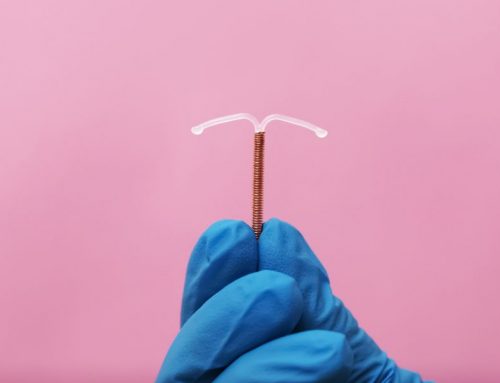
While this guide focuses on pills, it is important to note that some non-pill options exist. The copper IUD can be used as emergency contraception if placed within five days of unprotected sex. It also provides long-term birth control afterward.
Although not categorized as emergency pills, this option is often discussed alongside plan b alternatives because of its high effectiveness and added long-term benefit.
Effectiveness and Timing
Effectiveness depends on:
- How quickly the medication is taken
- The specific product used
- Body weight and metabolism
- Timing within the menstrual cycle
Levonorgestrel-based morning after pills work best within the first 24 hours. Ulipristal acetate remains effective for up to five days. Delays reduce effectiveness across all emergency pills.
For those seeking a plan b alternative later in the window, ulipristal acetate or copper IUD placement may offer better results.
Weight and Emergency Contraception
Research suggests that body weight may influence how well certain emergency options work. Levonorgestrel-based products may be less effective for individuals above a certain weight threshold. This is one reason people explore plan b alternatives that may work better across a wider range of body types.
A healthcare provider can help guide selection based on individual factors, including weight, timing, and medical history.
Safety and Side Effects
Most people tolerate morning after pills well. Common side effects include:
- Nausea
- Fatigue
- Headache
- Breast tenderness
- Temporary changes in menstrual timing
These side effects usually resolve within a few days. Serious complications are rare. If severe abdominal pain occurs weeks after use, evaluation is recommended to rule out ectopic pregnancy.
All approved emergency pills have strong safety profiles when used as directed.
Emergency Pills Are Not Regular Birth Control
It is important to emphasize that emergency pills are not designed for routine contraception. They are intended for occasional use after unprotected sex or contraceptive failure. Repeated reliance on emergency contraception may indicate that a more consistent birth control method would be beneficial.
Discussing long-term options with a provider can help reduce future reliance on emergency methods.
Choosing the Right Plan B Alternative
Choosing a plan b alternative depends on several factors:
- How long it has been since intercourse
- Body weight considerations
- Medication availability
- Personal health history
- Access to prescriptions
Not all options are appropriate for everyone. A healthcare provider can help determine which types of morning after pills are most suitable for your specific situation.
Access and Availability
Many levonorgestrel-based morning after pills are available over the counter at pharmacies. Ulipristal acetate requires a prescription, which may limit same-day access. Telehealth services may help with faster prescriptions in urgent situations.
Understanding your access options in advance can reduce stress during time-sensitive situations involving emergency pills.

Common Myths About Morning After Pills
Several myths persist around emergency contraception:
- They do not cause abortion.
- They do not affect future fertility.
- They do not protect against sexually transmitted infections.
- They do not provide ongoing contraception.
Clearing up misconceptions helps people use morning after pills appropriately and confidently.
When to Seek Medical Guidance
While emergency contraception is generally safe, certain situations benefit from professional guidance:
- Repeated need for emergency pills
- Uncertainty about timing or ovulation
- Medication interactions
- Irregular cycles or health conditions
A gynecology specialist in Jacksonville, Florida can help review options and recommend reliable long-term birth control to reduce future emergencies.
Planning Ahead for Emergencies
Being informed about plan b alternatives before an urgent situation arises allows for quicker decision-making. Knowing the types of morning after pills available, how they work, and when they are effective can reduce panic and increase confidence during stressful moments.
Many individuals choose to keep emergency contraception on hand so they are prepared if needed.
Final Thoughts
Unexpected situations happen, and access to reliable information about plan b alternatives empowers individuals to make informed reproductive health decisions. Understanding the types of morning after pills, how emergency pills work, and when to use each option can help you respond calmly and effectively when needed.
At Trogolo Obstetrics and Gynecology, we believe informed choices lead to better outcomes and greater peace of mind. If you have questions about morning after pills, emergency contraception options, or long-term birth control methods, we encourage you to request an appointment with our team. We are here to provide clear guidance, personalized care, and trusted support whenever you need it.