Many women go through life without ever hearing about fibroids until they are diagnosed with them. Others may have heard the term but are unsure what it really means. A common question we hear in clinical practice is simple: what are uterine fibroids, and how do they affect your health?
At Trogolo Obstetrics and Gynecology, we believe education is one of the most important parts of patient care. As a gynecology specialist in Jacksonville, Florida, our goal is to provide clear, practical information so you can understand your body and make informed decisions about your health. This guide will explain what fibroids are, how they develop, what symptoms to watch for, and the available treatment options.
What Are Uterine Fibroids?
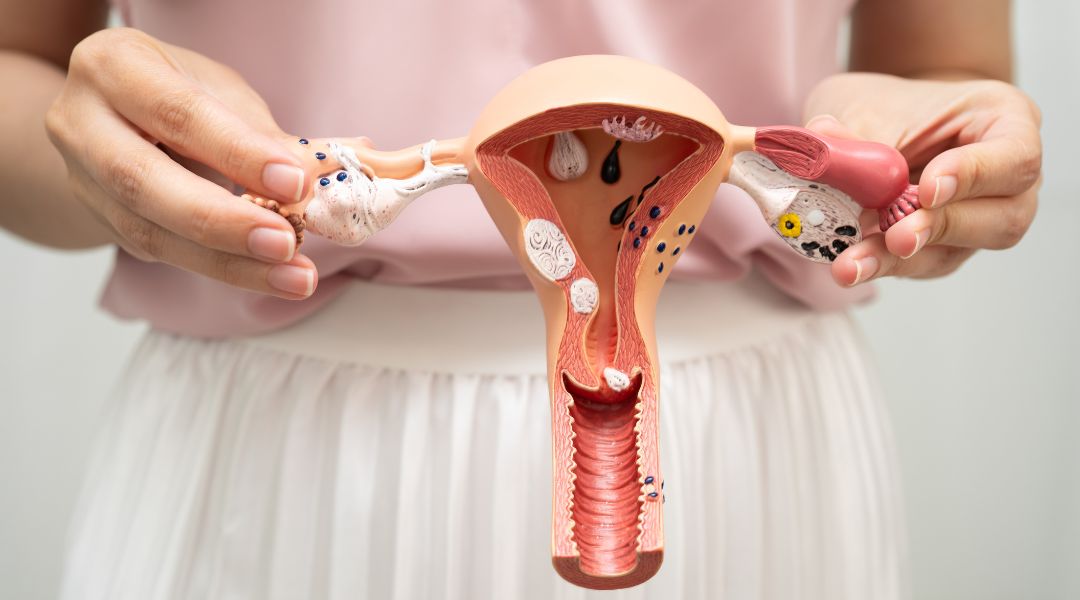
Uterine fibroids are noncancerous growths that develop in or around the uterus. They are made of muscle and connective tissue and can vary widely in size, from very small to quite large. Some women have a single fibroid, while others may develop multiple growths at the same time.
Fibroids are extremely common. In fact, many women will develop them at some point in their lives, often during their reproductive years. Despite how common they are, fibroids can affect each woman differently. Some may have no symptoms at all, while others experience significant discomfort or disruption to their daily lives.
Understanding what are uterine fibroids is the first step toward recognizing when something may not feel right and knowing when to seek care.
Types of Uterine Fibroids
Fibroids can develop in different areas of the uterus, and their location often determines the symptoms they cause.
Intramural Fibroids
These grow within the muscular wall of the uterus and are the most common type. They can enlarge the uterus and may cause pressure or heavy bleeding.
Submucosal Fibroids
These develop just beneath the lining of the uterus and can extend into the uterine cavity. Even small submucosal fibroids can lead to heavy periods and fertility challenges.
Subserosal Fibroids
These grow on the outer surface of the uterus and may press on nearby organs such as the bladder or intestines.
Pedunculated Fibroids
These are attached to the uterus by a stalk and can grow either inside or outside the uterus.
Each type plays a role in how uterine fibroid symptoms appear and how they are treated.
What Causes Uterine Fibroids?
The exact cause of fibroids is not fully understood, but several factors are believed to contribute to their development.
Hormones, particularly estrogen and progesterone, play a key role. These hormones stimulate the growth of the uterine lining each month, and they can also promote fibroid growth.
Other contributing factors include:
- Genetics and family history
- Age, especially during reproductive years
- Hormonal imbalances
- Lifestyle factors such as diet and weight
While the exact trigger may vary, these influences help explain why fibroids are more common during certain stages of life.
Uterine Fibroid Symptoms
Not all women with fibroids experience symptoms, but when symptoms do occur, they can vary in severity. Recognizing uterine fibroid symptoms is important for early diagnosis and management.
Common symptoms include:
- Heavy or prolonged menstrual periods
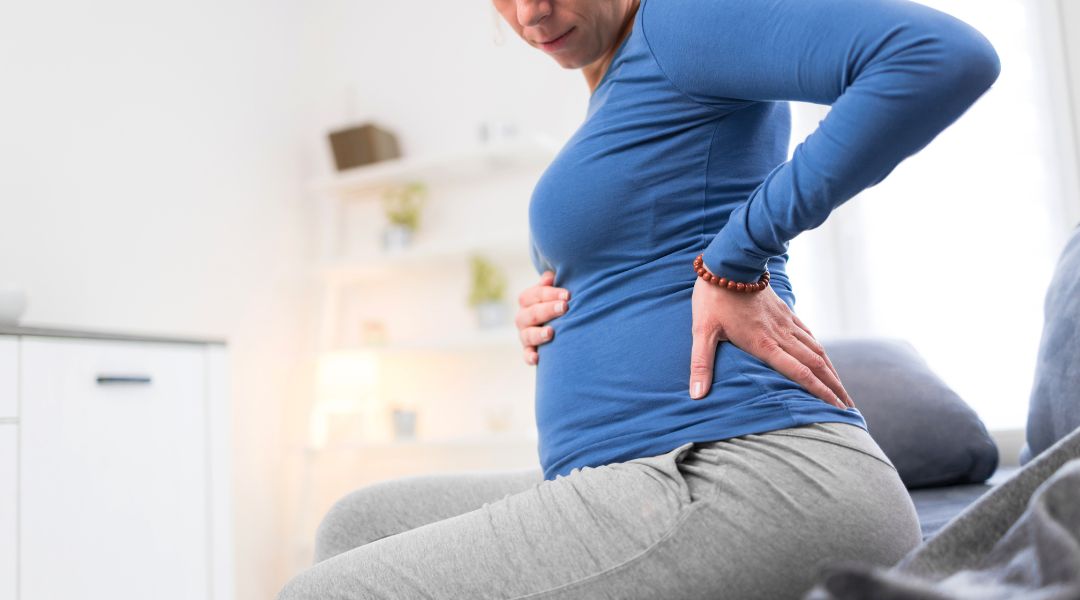
- Pelvic pain or pressure
- Frequent urination
- Constipation
- Lower back pain
- Pain during intercourse
Some women may also experience fatigue due to blood loss or notice an enlarged abdomen.
Understanding uterine fibroid symptoms can help you recognize when it is time to speak with your healthcare provider.
When Fibroids Do Not Cause Symptoms
It is important to note that many fibroids are discovered incidentally during routine exams or imaging studies. In these cases, women may have no noticeable symptoms at all.
Asymptomatic fibroids often do not require immediate treatment. Instead, they are monitored over time to ensure they do not grow or begin to cause issues.
This highlights the importance of regular gynecological care, even when you feel well.
Fibroids and Fertility
One of the most important concerns for many patients is the relationship between fibroids and fertility. While not all fibroids affect the ability to conceive, some can interfere with pregnancy.
The impact of fibroids and fertility depends largely on the size and location of the fibroids. For example:
- Submucosal fibroids may disrupt implantation
- Large fibroids may alter the shape of the uterus
- Fibroids near the fallopian tubes may block egg movement
However, many women with fibroids conceive and carry healthy pregnancies without complications.
Understanding the connection between fibroids and fertility allows patients to plan appropriately and explore treatment options if needed.
How Fibroids Are Diagnosed
Diagnosis typically begins with a routine pelvic exam. If fibroids are suspected, imaging tests may be recommended.
Common diagnostic tools include:
- Ultrasound
- MRI scans
- Hysteroscopy
- Sonohysterography
These tests help determine the size, number, and location of fibroids, which is essential for planning treatment.
Uterine Fibroid Treatment Options
Treatment depends on several factors, including symptom severity, fibroid size, and reproductive goals. There is no single approach that works for everyone.
Common uterine fibroid treatment options include:
Watchful Waiting
If symptoms are mild or absent, monitoring fibroids over time may be the best approach.
Medications
Hormonal treatments can help manage symptoms such as heavy bleeding and pain. These do not eliminate fibroids but can reduce their impact.
Minimally Invasive Procedures
Procedures such as uterine artery embolization or focused ultrasound can shrink fibroids without major surgery.
Surgical Options
In some cases, surgery may be recommended. Options include:
- Myomectomy, which removes fibroids while preserving the uterus
- Hysterectomy, which removes the uterus entirely
Choosing the right uterine fibroid treatment depends on your symptoms, preferences, and future plans.
Fibroids and Pregnancy
Fibroids can affect pregnancy in some cases, but many women with fibroids have healthy pregnancies.
Potential complications may include:
- Increased risk of cesarean delivery
- Preterm labor
- Placental issues
However, these risks vary depending on the size and location of the fibroids. Close monitoring during pregnancy helps ensure the best possible outcome.
Lifestyle and Fibroid Management
While lifestyle changes cannot eliminate fibroids, they may help support overall health and reduce symptom severity.
Helpful strategies include:
- Maintaining a balanced diet
- Managing stress
- Staying physically active
- Monitoring menstrual patterns
These steps can complement medical care and improve overall well-being.
When to See a Doctor
You should seek medical evaluation if you experience:
- Heavy or prolonged periods
- Pelvic pain or pressure
- Difficulty conceiving
- Rapid abdominal growth
- Persistent urinary or bowel issues
These may be signs that fibroids are affecting your health and require evaluation.
Long-Term Outlook
The outlook for women with fibroids is generally positive. Many fibroids shrink after menopause due to decreased hormone levels.
With proper monitoring and treatment, most women can manage symptoms effectively and maintain a good quality of life.
Final Thoughts
So, what are uterine fibroids? They are common, noncancerous growths that can affect women in different ways. While some may never cause symptoms, others may lead to discomfort, heavy bleeding, or concerns about fibroids and fertility.
Recognizing uterine fibroid symptoms, understanding your options for uterine fibroid treatment, and staying proactive about your health are key steps in managing this condition.
At Trogolo Obstetrics and Gynecology, we are here to guide you through every stage of your reproductive health journey. If you have concerns about fibroids or are experiencing symptoms, we encourage you to request an appointment with our team. We are committed to providing personalized care, clear answers, and support tailored to your needs.