

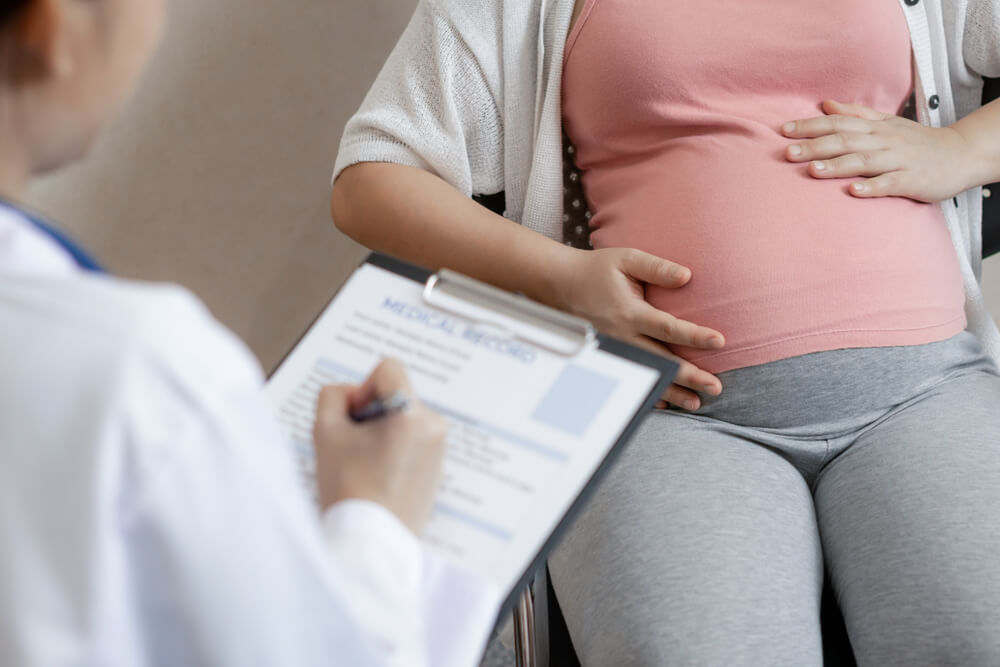
Without a doubt, pregnancy evokes many changes in the female body, and mothers-to-be need to take care of themselves and the life growing inside their bellies. All in all, healthcare providers should ensure that both the mother and the baby go through the process of pregnancy and delivery healthy, without any complications.
Prenatal care is essential since it includes regular monitoring and crucial education on pregnancy and childbirth overall. Regular checkups at your healthcare provider’s practice will allow both of you to follow the progress of the baby’s overall development and ensure that everything goes smoothly throughout the pregnancy.
Prenatal visits also give you opportunities to ask certain questions regarding the baby’s development and your pregnancy. You can share your concerns with your doctor, and they will strive to answer any of your questions and assure you if you are feeling anxious.
If you are looking for options regarding prenatal care in South Miami, Florida, you should know that our experts are all skilled and committed to patient education, ensuring you will feel relaxed and stress-free during this beautiful period.
So, without further ado, let’s talk about prenatal care and the importance of prenatal visits.
What Happens During Your First Prenatal Visit?

During the first appointment, the healthcare provider will determine your overall health and perform a series of exams to rule out any possible risk factors that may lead to a high-risk pregnancy. Because of this, the first appointment may be a bit longer than your future visits.
The purpose of this initial appointment is to:
- Help the doctor determine your due date.
- Get a better understanding of your medical history.
- Study the medical history of your family members.
- Look for possible risk factors that may lead to complications resulting in a high-risk pregnancy (based on your personal and family history, overall health, and age).
During the first visit, the doctor will also ask you about surgeries, previous pregnancies, and exposure to contagious diseases and medical conditions.
You should tell your healthcare providers about the over-the-counter or prescription medications you may take.
Remember, the questions you may be asked during your first visit are very personal but essential for ensuring a healthy pregnancy. Most importantly, your answers will remain between the two of you.
Physical Exam
The doctor will perform a physical exam during your very first visit. They will check your heart, blood pressure, body weight, breasts, and lungs. The healthcare provider will also perform a pelvic exam (an internal bimanual exam) with one hand on the abdominal area and two fingers inside the vagina. This is done to help determine the size of your pelvis and uterus.
The doctor might also check your baby’s heartbeat with a doppler, but you should know that this instrument can’t detect the baby’s heartbeat up until the tenth or 12th week of being pregnant.
Prenatal Care Lab Tests During the First Trimester
Your healthcare provider will order several tests during this period. They usually conclude the following:
- CBC or complete blood count tests screen for potential blood problems such as low iron, otherwise known as anemia
- Rubella testing for immunity against rubella or German measles
- RPR screening for a sexually transmitted disease called syphilis
- HIV tests that screen for antibodies in the blood
- HBsAg tests for ruling out hepatitis B liver infection
- Type and screen tests that determine your Rh factor and blood type
- Sickle cell screen
- Urinalysis tests to rule out any bladder and/or kidney infections
- Tests to rule out chlamydia and Gonorrhea (sexually transmitted bacterial infections)
- Screening for cystic fibrosis and the presence of the CF gene
Prenatal Visits and High-Risk Pregnancy
Unfortunately, there are several reasons why a pregnancy may become or be considered high-risk. Still, it’s important to note that the presence of one of these factors won’t necessarily result in a complicated pregnancy and that you or the baby are in danger.
Prenatal care aims to closely monitor the pregnancy with any existing risk factors in mind and to address any health conditions that the baby or the mother may develop during pregnancy. The latter can be placenta previa, for example, where the placenta fully or partially covers the uterus. Placenta previa may develop after 20 weeks of pregnancy and is most often accompanied by bright red vaginal bleeding.
While some high-risk pregnancy complications can’t be eliminated entirely, certain lifestyle changes and regular prenatal visits can significantly reduce the risk of any obstacles down the road.
Because of this, several experts recommend scheduling preconception appointments so that doctors can:
- Review your medical history even before you become pregnant and check for any health problems that need monitoring or controlling before you conceive (like diabetes or hypertension).
- Identify any medications that you will need to adjust or stop taking.
- Perform genetic testing to rule out any potential genetic disorders.
Also, professionals advise making specific lifestyle changes that will all support a healthy pregnancy even before becoming pregnant, including:
- The cessation of smoking and alcohol consumption. Both of these substances are known to pose several risks to the baby’s development and your own health.
- Staying active. Low-impact exercises and staying hydrated pre- and post-workout are also crucial.
- Prenatal vitamins. Experts also recommend taking prenatal vitamins at least one month before getting pregnant. Using these supplements can decrease the risks associated with neural tube defects and can also help reduce the intensity and severity of vomiting and nausea during these nine months.
- Maintaining a healthy body weight. Being overweight can increase the risk of gestational diabetes and high blood pressure, while being overweight may lead to nutrient deficiencies or low birth weight in the baby.
Determining Expected Due Date
Typically, a due date is around 40 weeks or 280 days from the first day of your last menstrual cycle. However, if your periods are irregular, the doctor may order an ultrasound to determine your due date. Even then, a full-term pregnancy usually lasts between 37 to 42 weeks, meaning the actual delivery date can differ from the estimated one. This is why only a small number of babies are born on the exact same day as the estimated date.
The Schedule of Prenatal Appointments
The exact frequency of your visits will highly depend on your circumstances or any risk factors that might interfere with your pregnancy. Typically, experts recommend having the follow-up visits in the pattern below:
- Every four weeks until the first 28 weeks of pregnancy
- Every two to three weeks between 28 to 36 weeks
- Every week from the 36th week until delivery
Subsequent Visits

Doctors will monitor your weight and blood pressure and take urine samples to test for protein and sugar. The baby’s development will also be monitored, accompanied by regular heartbeat checks.
Around the last month of pregnancy, your doctor will also start discussing topics related to delivery and labor.
Expert Assistance With Pregnancy
As you can see, prenatal care visits are essential in ensuring that your pregnancy goes smoothly and your baby is healthy. With the help of a knowledgeable expert, you can address issues early on before they have the chance to interfere with your pregnancy.
That said, if you are looking for options regarding obstetrics and gynecology in South Miami, Florida, feel free to reach out to our practice and see how our compassionate experts can make a difference.