
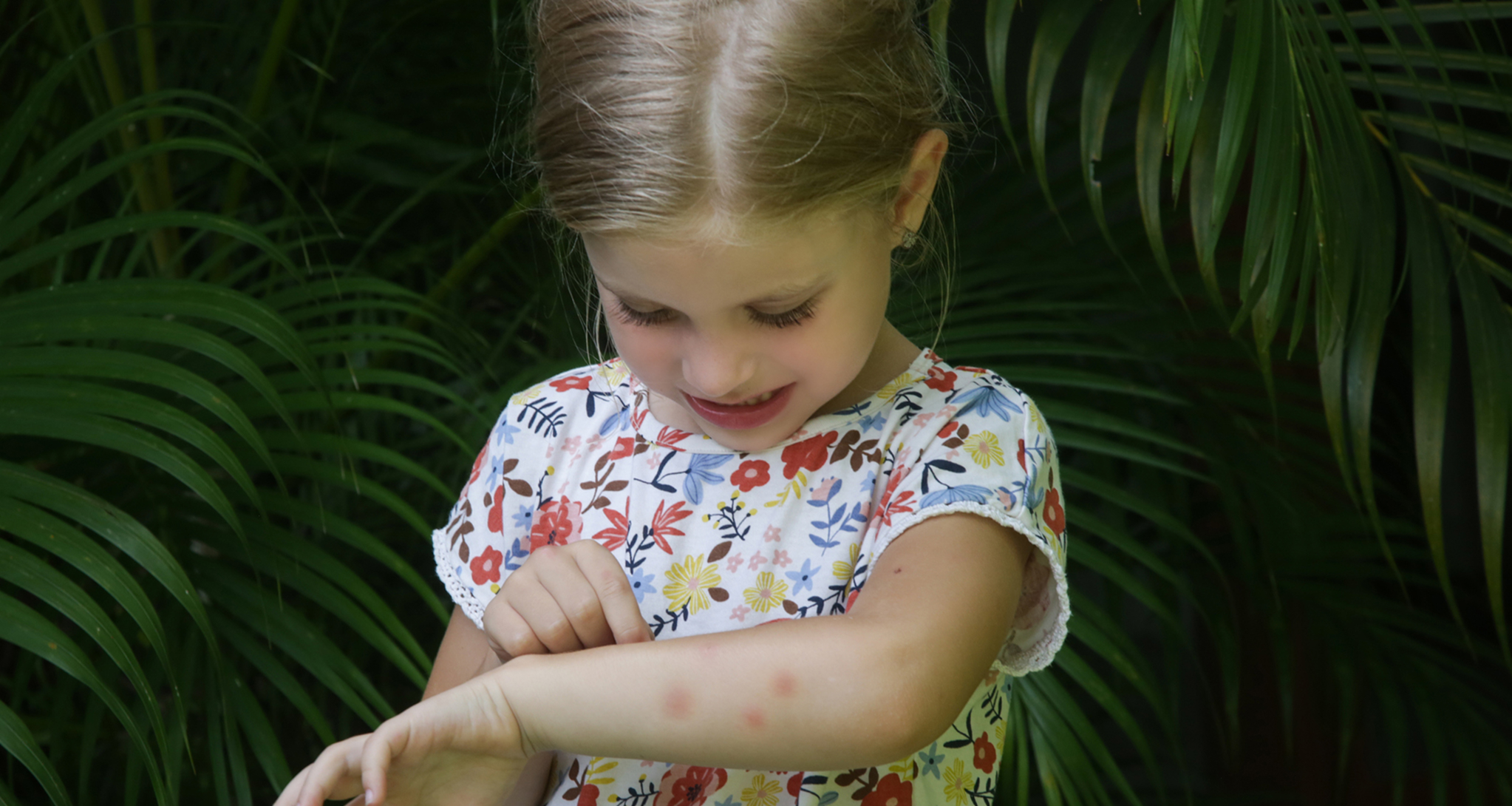
Summer in South Florida means longer days, outdoor adventures, summer camps, sports, and plenty of time spent outside. Unfortunately, it also means mosquito season.
While mosquito bites are often little more than an itchy nuisance, they can cause significant discomfort for children and occasionally lead to more serious concerns. Knowing how to prevent mosquito bites and when to seek medical attention can help keep your child healthy and comfortable all summer long.
At Wellington Pediatrics, we want families throughout Wellington and Palm Beach County to enjoy the outdoors while staying safe from mosquitoes and other biting insects.
Why Do Children Seem to Get So Many Mosquito Bites?
If it feels like mosquitoes are always targeting your child, you’re not imagining it.
Children often spend more time outdoors playing sports, attending camps, swimming, and enjoying neighborhood parks. Because they are active and frequently exposed to outdoor environments, they naturally have more opportunities to encounter mosquitoes.
Additionally, children may be less likely to notice a mosquito before it bites or take steps to avoid areas where mosquitoes are most active.
How to Prevent Mosquito Bites in Children
The good news is that there are several simple steps parents can take to significantly reduce mosquito bites.
Use Child-Safe Insect Repellent
One of the most effective methods of mosquito bite prevention for children is using an EPA-approved insect repellent.
Products containing the following ingredients are generally considered safe when used according to label instructions:
- DEET
- Picaridin
- IR3535
Always apply repellent according to the manufacturer’s instructions and avoid spraying directly into a child’s eyes, mouth, or hands.
For infants younger than two months old, insect repellents are generally not recommended. Instead, use protective clothing and mosquito netting whenever possible.
Dress for Protection
When spending time outdoors, especially during the early morning or evening hours, consider dressing your child in:
- Long sleeves
- Long pants
- Socks
- Closed-toe shoes
Light-colored clothing may also make mosquitoes easier to spot.
Eliminate Standing Water
Mosquitoes lay their eggs in standing water, and even small amounts can become breeding grounds.
Regularly check and empty:
- Buckets
- Bird baths
- Flower pots
- Kiddie pools
- Outdoor toys
- Gutters
Removing standing water around your home is one of the most effective ways to reduce mosquito populations.
Use Screens and Protective Barriers
Make sure window and door screens are in good condition and free of tears.
If your child is spending time outdoors in a stroller or play area, mosquito netting can provide additional protection.
When Are Mosquitoes Most Active?
In Florida, mosquitoes are typically most active:
- Around sunrise
- Around sunset
- After rainfall
- In shaded, humid areas
While it isn’t always practical to avoid outdoor activities during these times, parents should be especially mindful about applying insect repellent and protective clothing.
Because South Florida experiences warm weather nearly year-round, mosquito prevention is especially important during the summer months when mosquito populations are at their highest.
What Should You Do If Your Child Gets a Mosquito Bite?
Even with the best prevention efforts, mosquito bites still happen.
Most mosquito bites in children can be treated at home with simple measures such as:
- Washing the area with soap and water
- Applying a cool compress
- Using anti-itch creams as directed
- Encouraging children not to scratch
Scratching can break the skin and increase the risk of infection.
For children who experience significant itching, your pediatrician may recommend additional treatment options.
When Should Parents Be Concerned?
Most mosquito bites resolve on their own within a few days. However, parents should contact their pediatrician if they notice any of the following symptoms. The team at Wellington Pediatrics can help evaluate mosquito bites and other common summer health concerns.
- Significant swelling around the bite
- Redness that continues to spread
- Drainage or signs of infection
- Fever
- Severe pain
- Difficulty breathing
- Signs of an allergic reaction
If your child develops severe symptoms or difficulty breathing, seek immediate medical attention.
Mosquito-Borne Illnesses in Florida
While uncommon, mosquitoes in Florida can carry certain illnesses, which is why mosquito bite prevention remains an important part of summer safety for children.
These illnesses may include:
- West Nile Virus
- Dengue Fever
- Eastern Equine Encephalitis (EEE)
The risk remains relatively low for most families, but prevention remains important, particularly during the summer months when mosquito populations are at their highest.
Using insect repellent, wearing protective clothing, and reducing standing water can help minimize exposure.
Summer Safety Starts with Prevention
Mosquito bites may seem like a small part of summer, but taking a few preventative steps can make a big difference in your child’s comfort and health.
By using insect repellent properly, dressing appropriately, and reducing mosquito breeding areas around your home, you can help your child enjoy all the fun that summer in South Florida has to offer.
Wellington Pediatrics Is Here for Your Family
If you have questions about mosquito bites, summer safety, allergic reactions, or your child’s overall health, the team at Wellington Pediatrics is here to help.
Whether your child needs a summer checkup, school physical, sports physical, vaccinations, or routine pediatric care, we’re committed to helping families throughout Wellington and Palm Beach County stay healthy year-round.
Schedule an Appointment
If you have concerns about a mosquito bite, insect sting, rash, fever, or other pediatric health issue, we’re here to help.
Contact Wellington Pediatrics to schedule an appointment with our team.