
Every year in the United States, more than 10,000 children come down with an illness that is preventable through vaccinations. Some of these children become seriously ill, many develop life-long complications, and some die. Immunizations are the best children’s health defense against these illnesses. The Centers for Disease Control and Prevention (CDC) recommends a vaccine schedule for babies, children, teenagers and adults. This schedule was devised under rigorous scientific research and decades of health outcome analysis. Here are five things you need to know about vaccines so that you can protect the health of your child as well as other vulnerable members of the community.
1. Outbreaks of Vaccine-Preventable Diseases Still Occur in the United States
You don’t have to live in a third-world country to come into contact with vaccine-preventable diseases. Even though a majority of babies, children and adults in the United States are vaccinated, not everyone is. When there are enough unvaccinated people in a community, outbreaks can occur. Some of these outbreaks have included:
- Measles, with 1,232 cases across the United States
- Mumps, with more than 3,000 cases in Northwest Arkansas
- Pertussis, also called whooping cough, with 48,277 cases in 2012
- Hepatitis A, with 2,007 cases in 2016 from imported foods
These are just a few of the large, notable outbreaks of vaccine-preventable diseases in the past 10 years in the United States. There have also been smaller outbreaks, each involving tens or hundreds of cases of diseases such as measles, pertussis and mumps.
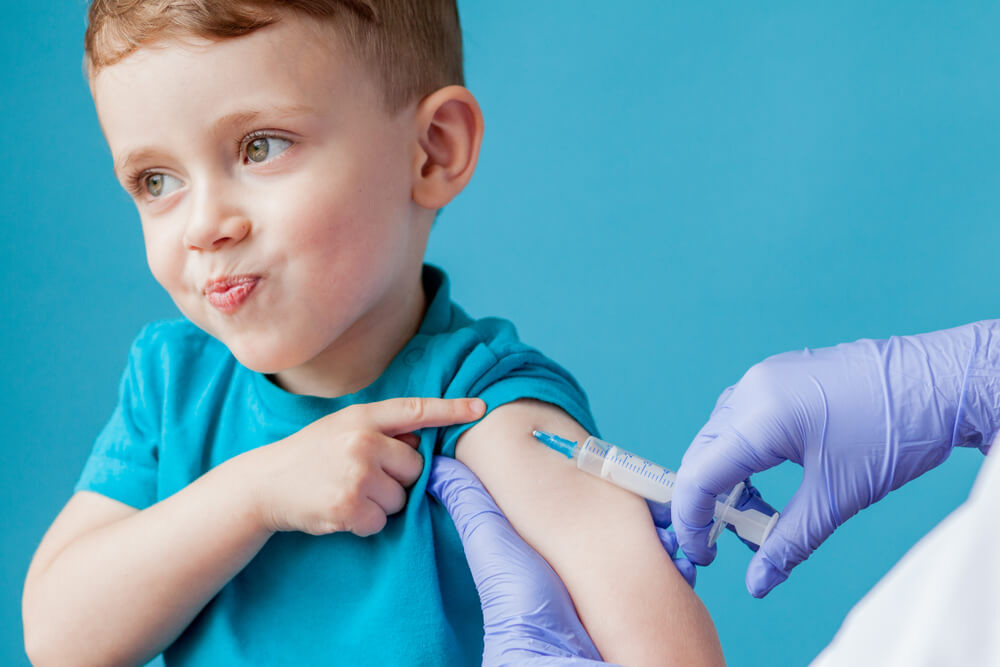
2. Many Steps Are Taken to Make Sure Vaccines Are Safe
In 1998, British physician Andrew Wakefield published an article in the Lancet medical journal about an association between vaccines and autism. That single article caused people around the world to lose trust in vaccines that had been in use for decades at the time. A large “anti-vax” movement began, and childhood vaccination rates quickly dropped. The Lancet retracted the article in 2010, but the damage was already done.
Wakefield ended up losing his license to practice medicine, but he gained a following of people who wanted something on which to pin the blame for autism. To this day, no reputable study has shown any link between vaccines and autism. Doctors, epidemiologists and scientists continue to conduct safety and efficacy studies to prove that vaccines are safe for people of all ages.
The United States Food and Drug Administration (FDA) is the agency that licenses vaccines. The CDC and United States Department of Agriculture (USDA) assist with the review process and make recommendations about who should receive the immunizations and when they should be administered. The Advisory Committee on Immunization Practices (ACIP) reviews vaccine proposals and creates the vaccine guidelines that are distributed to physicians.
The steps to getting approval for a vaccine include the exploratory stage in the laboratory, the preclinical stage, clinical development, regulatory review, manufacturing and quality control. The FDA tests batches from every lot of every vaccine in order to make sure the doses are pure, effective and safe. ACIP uses a system called GRADE (Grading of Recommendations, Assessment, Development and Evaluation) to issue recommendations based on evidence from clinical trials of vaccines.
By the time a vaccine is recommended for use in the general public, it has been administered to tens of thousands of volunteers, efficacy has been calculated and any adverse reactions have been identified. This rigorous process is more intense than what the FDA requires for vitamins, supplements and nutritional additives that many people use every day.
3. Vaccines Give You Power to Protect Your Child
Most people younger than 50 haven’t seen the devastating effects of vaccine-preventable diseases, such as polio and smallpox, that other generations saw on a seasonal or even daily basis. Since you don’t see people in iron lungs these days or with the scabs from smallpox, it’s easy to dismiss the power of vaccines in protecting people’s health. However, you have that power in your own hands when it comes to safeguarding your child.
There are currently 16 diseases for which vaccines are available. Some of these diseases used to run rampant in babies and children. They include chickenpox, diphtheria, measles, mumps, rubella and polio. Some diseases caused such high rates of life-long complications or death that researchers developed vaccines in order to reduce childhood mortality. Those diseases include rotavirus, Hib, tetanus and meningococcal brain inflammation.
There are also vaccines for diseases that can seriously harm the health of children with chronic health conditions. These diseases include flu, hepatitis A and whooping cough. Vaccines can even prevent at least two forms of cancer. The hepatitis B vaccine prevents the development of liver cancer caused by chronic infection from the hepatitis B virus. The HPV vaccine protects against cervical cancer in females.
4. You Can Get Vaccinated While Pregnant
If a pregnant woman comes into contact with certain diseases, her child can develop birth defects. Getting vaccinated during pregnancy also allows a woman to make protective antibodies and pass them on to her fetus. Those antibodies are also released in breast milk. Breastfed babies will gain additional protection through their mother’s antibodies.
Whooping cough is especially dangerous for babies, and pregnant women can safely get this vaccine. Catching the flu while pregnant is dangerous for a woman and her unborn child, and getting vaccinated lowers the woman’s risk of complications, including premature delivery and fetal death.

5. Vaccinating Your Child Protects Others
As people get older, their immune system functions decrease. So does their immunity to many diseases. If your child spends a lot of time around older people, such as their teacher or grandparents, this is an important reason why you should vaccinate your child.
Making sure your child is current with their vaccines could reduce the risk that your child exposes a senior citizen to a life-threatening illness. Adults with heart or lung disease, diabetes or asthma also have an increased risk of serious illnesses or death if they’re exposed to the many vaccine-preventable diseases.
If people suddenly stopped vaccinating their children, diseases that have been rare will rage back and cause epidemics, as pertussis did in Japan in 1979.
It’s also important to remember that not everyone can receive a vaccination. Some people have medical reasons why they can’t have vaccinations, such as immunosuppression or an allergy to eggs. By getting your child vaccinated, you’re protecting babies who are too young, children who are allergic to the ingredients in vaccines and people with immune system disorders that preclude them from getting vaccinated.
Another reason why you should vaccinate your child is herd immunity. When enough people are immune to a disease, it can’t spread through a population. This protects the elderly, newborns and others who can’t get vaccinated or lost some of their immunity. Childhood vaccination protects everyone in your family and your community.
Did this article help you learn about the benefits of childhood vaccines? Let us know how you feel about immunizations in the comments below. For more details or to schedule an appointment, get in touch with us today.