
Regular doctor checks are an excellent way to keep up with your child’s health and emotional well-being. Visits are necessary for all children, from birth to the teenage years, especially for those who need extra care from a specialist.
These visits are a time to reflect on your child’s development as you learn ideal ways to help them grow into a mature human being. During well-baby checks, you and your pediatrician will make sure your child is growing up as healthy as possible. Simultaneously, you and the beloved physician will establish a strong partnership based on respect, honesty, and communicating your family’s traditions and needs.

Prenatal Care
For pregnant women, the process starts with pre-birth visits for prenatal care. The attending physician would advise you about any health risks or genetic abnormalities for your baby. In some instances, a doctor can detect health defects early; thereby, the embryo can receive care while in the womb.
During your visits, the doctor will answer any questions about parenting like breastfeeding, circumcision, and what to expect during labor and delivery.
For prenatal care, you should visit the doctor once a month during weeks four to 28, every two weeks for weeks 28 to 36, and once a week for weeks 36 to 40. High-risk pregnancies require additional visits. Without proper prenatal care, a child is three times more likely to be underweight at birth.
Baby Well Check-Ups
The wonder of childhood is an epoch like no other. The child is rapidly growing while enjoying the newness of life. Because children are developing physically and cognitively, they require more visits with their pediatricians.
Each well-child visit will involve a full examination. The pediatrician will record your child’s height, weight, and head circumference. The child’s growth will be a part of his permanent health record.
Nutrition is vital. For weight maintenance, the pediatrician will take a BMI measurement of your child as obesity prevention and inform you about your child’s healthy eating habits.
Among other things, the pediatrician will examine your child’s vision and hearing and conduct further tests as necessary. Some elements of the physical exam include:
- Listening to breath, stomach, and heart sounds
- Checking infantile reflexes
- Checking heart palpitations
- Measuring temperature
- Eye exam
- Infant jaundice
Doctors will examine newborns for congenital disabilities and nutrition deficiency. In addition to head-to-foot examinations, your medical professional will update your child’s immunization record and speak with you about family issues, dental care, and nutrition.
Activities for Every Visit
Your baby well check-ups will include four specific activities. The physician will:
- Advise whether your child has any general or specific health and safety concerns.
- Provide support for the child’s health and overall well-being.
- Explain the necessary precautions to prevent your child from having future health concerns.
- Offer advice about health outcomes.
Immunizations
Immunizations are essential for a growing and healthy child. You or your child may experience some anxiety when it is time to get the first shot. That’s why it’s important to know what to expect when you meet with your child’s pediatrician during office visits.
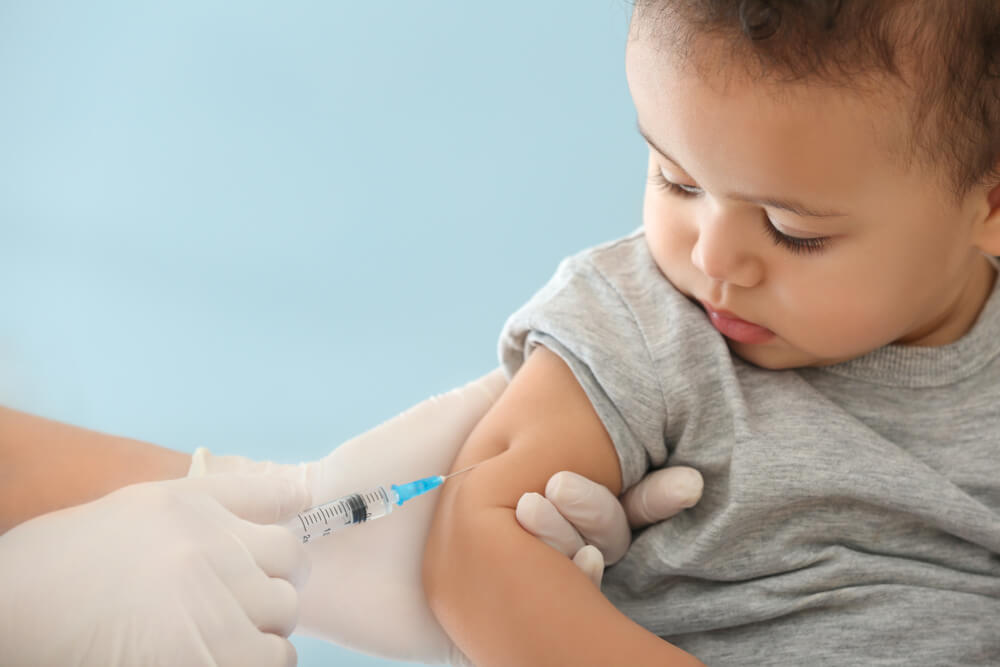
In most circumstances, the doctor or nurse will administer the vaccine right into the arm or leg muscles. Before each shot, the physician will use cream or pain-relieving spray. However, the child still may experience some pain.
The Moment Your Child Receives the Shot
You may feel some anxiety while your child is getting shots. Just remember to stay calm. Speak peaceably with your child, using soothing words. When the child is receiving the vaccine, you can distract him or her with animated objects and toys. That way, your child will feel secure.
When You Arrive Home
The area of the skin that received vaccination might become red or sore. You can reduce swelling in this area by applying a cool, damp cloth on the vaccinated skin. Having your child frequently use their arms and legs will also promote faster healing.
A mild fever and pain are side effects of vaccinations. If your child develops these symptoms, you can give them acetaminophen or ibuprofen to reduce discomfort.
Vaccinations for Children
Prepare to have your children vaccinated at the following intervals:
- Hepatitis B: Birth
- Rotavirus: 2 months
- Diphtheria, Tetanus, & Acellular Pertussis: 2 months
- Haemophilus Influenzae B: 2 months
- Pneumococcal Conjugate: 2 months
- Poliovirus: 2 months
- Hepatitis A: 12 months
- Vitamin A: 12 months
- Influenza: yearly
- Measles, Rubella: 12 months
Older children should get chickenpox, meningococcal, and HPV vaccines. Some vaccinations require multiple doses as the child ages from newborn to 5.
Nutrition
Many first-time mothers choose to breastfeed their newborns. The pediatrician may advise you on what diet is acceptable for new mothers. Mothers can introduce infants to cow’s milk at 12 months. Growing children and toddlers are at risk for vitamin D deficiency.
Six months of age is the average starting point for the introduction of solid foods. Nutritionists recommend children wait until 12 months to drink juice. Children may drink 4 to 6 ounces of apple or orange juice daily.
Doctor checks
As you are raising your child, they should have regular appointments at specific intervals. Soon after birth, breastfed children should meet with their pediatrician within two to four days. After that, schedule well-child visits every month; then, starting at age 3, schedule visits annually.
Preparing for Well Baby Checks
Gathering information and preparing for your baby well check-ups will make your physician appointments informative and smooth, leaving nothing to chance.
When getting ready for your next appointment, make notes of any changes to your child’s routine. Include in the discussions any changes to family behavior.
Gather documents and pictures that may be helpful for your pediatrician. Look forward to sharing items like childcare and educational records. Your health professional can then fully understand your child’s life and development.
While raising your child, you may notice certain health habits that you were unaware of before the previous checkup. Go ahead and record your concerns; after that, you can inquire with the pediatrician. The doctor will happily address your questions.
During your well-child visit, the doctor will inform you about what to expect regarding:
- Sleep habits
- Safety concerns
- Childhood sicknesses and diseases
- Genetic abnormalities
- Disabilities
- Achieving developmental milestones
When speaking with the physician, you will discuss:
- Child’s growth and development
- Family health concerns
- Your proudest memories
- Everyday challenges
You may have questions and concerns once the visit is over. Feel free to contact your health professional in-between well-child visits as the need arises.
We would love to hear how your child is learning and growing. Are you up to date with your well-child visits and dental care? We want to make sure that your child is getting the proper care for each stage of development. Contact us today to schedule an appointment with our caring doctors.