


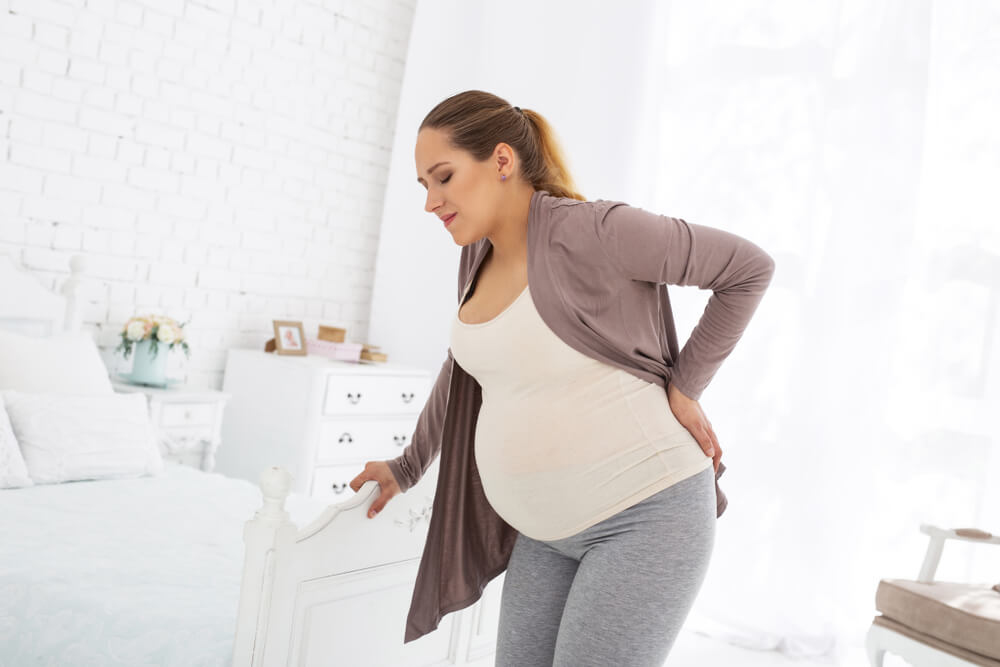
Millions of women around the world experience problems during pregnancy, but many of them don’t know what they are. You can get help sooner and have a smoother pregnancy by knowing what to look for. This article will list and explain some of the most common problems pregnant women experience.
What Is a High-Risk Pregnancy?
A high-risk pregnancy is when a woman is more likely to have problems during her pregnancy. This can be because she has health problems or because she is pregnant with more than one baby. If you are pregnant and think you might have a high-risk pregnancy, it’s important to tell your doctor right away. They can help keep an eye on you and make sure that you get the care you need.
Who Is at Risk?
Any pregnant woman can experience problems, but some women are more likely to have trouble than others. Women who are at higher risk include those who:
- Are pregnant with more than one baby
- Have health problems, such as diabetes, high blood pressure, or heart disease
- Are age 35 or older
- Had problems during a previous pregnancy
What Are the Effects of Anemia in Pregnancy?

Anemia is a condition that occurs when there are not enough red blood cells in the body. This can cause problems such as fatigue, shortness of breath, and dizziness. Millions of women around the world are affected by anemia, and it is especially common in pregnant women.
Anemia can have a number of negative effects on pregnant women. For example, it can increase the risk of preterm birth, low birth weight, and maternal death. It can also lead to problems with the baby’s growth and development.
If you think you might be suffering from anemia in pregnancy, it is important to get help right away. Your doctor can test your blood and determine the best way to treat your anemia, whether that’s getting an iron infusion during pregnancy or simply making a dietary change.
High & Low Blood Pressure in Pregnancy
One of the most common problems pregnant women experience is high or low blood pressure. Blood pressure is the force created by blood as it moves through the arteries, directed towards arterial walls. It normally goes up and down throughout the day, but it should never be too high or too low.
High blood pressure is a serious problem that can cause health problems for both the mother and baby. It can lead to preterm birth, low birth weight, and even death. Low blood pressure in pregnancy can also be dangerous for both the mother and baby. It can cause dizziness, fainting, and problems with the baby’s growth and development.
If you are pregnant and have high or low blood pressure, it is important to get help right away. A doctor can treat the problem and help ensure a safe pregnancy for you and your baby. We suggest you contact our own Dr. Horst.
How to Increase Hemoglobin in a week?
There are many ways to increase hemoglobin in a week if you’re suffering from anemia in pregnancy. One way is to eat iron-rich foods. Iron is a mineral that helps your body make hemoglobin. Some good sources of iron include red meat, poultry, fish, leafy green vegetables, and iron-fortified foods.
Another way to increase hemoglobin is to exercise regularly. Exercise helps your body produce more oxygenated blood. This can help improve your overall health and make it easier for your body to absorb and use the iron from your food. In fact, exercise helps with low blood pressure in pregnancy as well as high.
If you are looking for a more rapid way to increase hemoglobin, you might want to consider taking an iron supplement. However, be sure to talk to your doctor before taking any supplements, as they can sometimes have harmful side effects.
You can also try an iron infusion during pregnancy with your doctor’s approval. An iron infusion for pregnancy (and in general) represents an intravenous iron infusion directly into the bloodstream.
Finally, it is important to get enough sleep and avoid stress. Both of these things can have a negative impact on your hemoglobin levels. Try to get at least eight hours of sleep each night and find ways to reduce stress in your life.
If you are experiencing problems with anemia, high or low blood pressure, or any other health condition during your pregnancy, be sure to talk to your doctor. They can help you get the care you need and ensure a safe and healthy pregnancy for you and your baby.
What is Preeclampsia?
Preeclampsia is a serious condition that can develop during pregnancy. It is marked by high blood pressure and the presence of protein in the urine. Preeclampsia can cause a wide range of problems for both the mother and baby, including premature birth, low birth weight, and even death.
There is no cure for preeclampsia, but it can be treated. Treatment usually includes bed rest, medication to lower blood pressure, and close monitoring of the mother and baby. The delivery may be necessary to protect the mother or baby’s health in some cases.
Effects of preeclampsia in pregnancy include:
- Premature birth
- Low birth weight
- Preeclampsia HELLP Syndrome (a serious form of preeclampsia)
- Eclampsia (a life-threatening condition that can cause seizures in the mother)
- Stillbirth
Potential Kidney Problems During Pregnancy
During pregnancy, potential kidney problems can include preeclampsia, gestational diabetes, and urinary tract infections. All of these conditions can have a negative impact on the health of both the mother and baby.
If you are pregnant and experience any of the following symptoms, be sure to see your doctor right away:
- A sudden increase in blood pressure
- Frequent urination
- Pain or burning when urinating
- Cloudy or bloody urine
- Persistent nausea or vomiting
- Feeling tired or short of breath
- Sudden weight gain or swelling in the face or hands
- Pain in the upper right side of the abdomen
UTIs are fairly common for women and pregnant women and can be treated with antibiotics if caught early. However, if left untreated, a UTI can cause problems for both the mother and baby, and lead to kidney problems during pregnancy. Gestational diabetes is a type of diabetes that can develop during pregnancy. It often goes away after the baby is born, but it can have serious consequences if left untreated.
How Common Is Preterm Labor?

Preterm labor is a serious problem that can occur during pregnancy. It is defined as labor that begins before 37 weeks of gestation. Preterm labor can lead to a wide variety of health problems for both the mother and baby, including premature birth, low birth weight, and even death.
Preterm labor is not common, but it does occur in about 10-12% of pregnancies. It is more likely to happen if the mother has a history of preterm labor, carries more than one baby, or has certain medical conditions, such as hypertension or diabetes.
If you are pregnant and experience any symptoms of preterm labor, be sure to see your doctor right away. Early diagnosis and treatment is the best way to ensure a safe and healthy pregnancy.
Symptoms of preterm labor include:
- contractions that occur more than four times in an hour
- a feeling of pressure in the pelvis or lower abdomen
- pain in the back or lower abdomen
- cramping in the legs
- leaking fluid from the vagina
- changes in the cervix, such as dilation or effacement
- a decrease in fetal movement
Conclusion
Pregnant women experience a variety of problems, some of which can be serious. It is important to get the care you need and stay informed about the risks and potential problems associated with pregnancy. You can ensure a safe and healthy pregnancy for you and your baby by knowing what to look for.
Have you experienced some of these issues before? We’d love to hear your opinions and address your concerns. Feel free to schedule your next appointment at (305) 665-1133.