
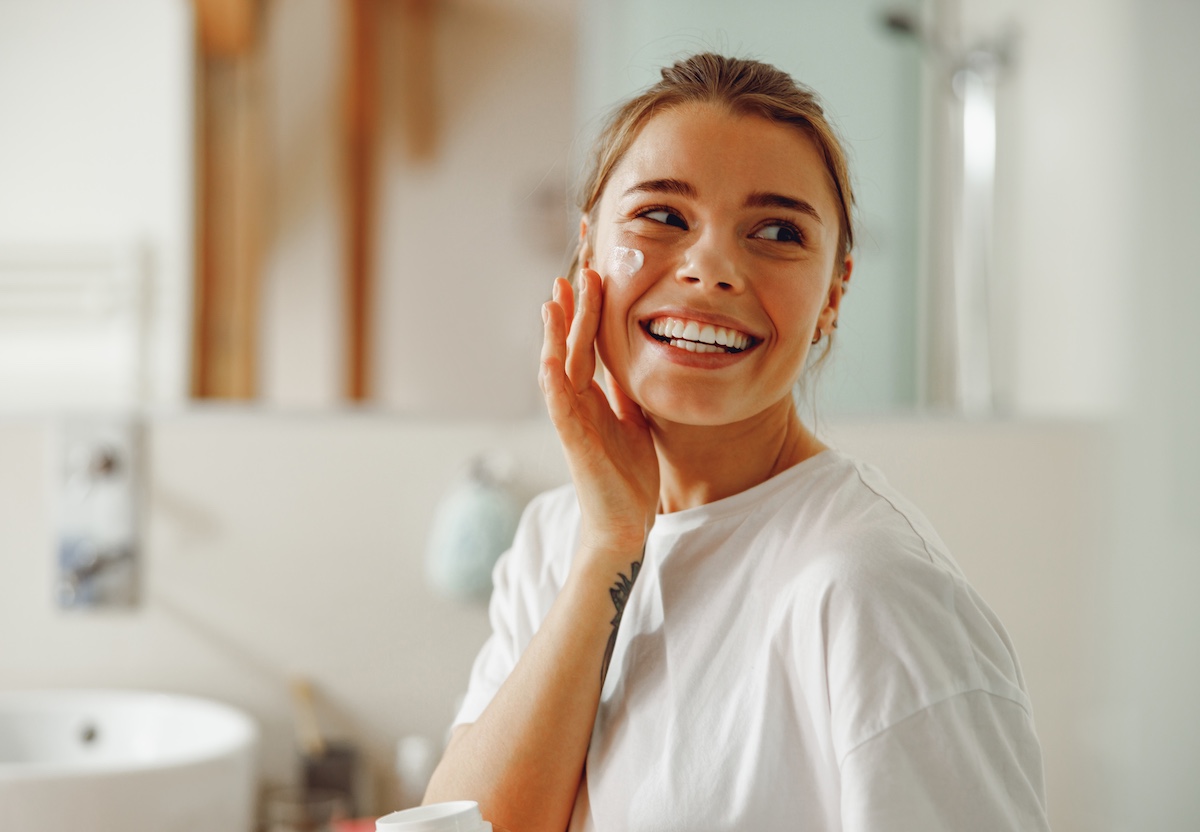
Winter is coming. Is your skin ready?
Even in regions that remain relatively mild or warm during the winter months, colder and drier weather conditions can take a noticeable toll on your skin. Reduced humidity, indoor heating, continued sun exposure, and other seasonal changes often lead to dryness, flakiness, irritation, and increased sensitivity in winter.
With its network of trusted dermatologists and primary care providers, the TopLine MD Alliance is here to help you maintain healthy skin throughout the winter season and all year long. This blog explores the unique challenges of winter skin care in mild climates, including how environmental and lifestyle factors impact your overall skin health, practical tips for adjusting your skin care routine, and more.
Why can skin become dry or sensitive during the winter, even in warmer climates?
Most people associate winter skin health issues with below-freezing temperatures, blistering winds, and falling snow. Mild climates are indeed easier on the skin than the harsh cold of northern winters, but this type of climate still presents many challenges for your ever-changing skin during the cooler months, especially as you age.
Unlike northern states that experience a dramatic drop in temperature and humidity, southern states remain relatively warm with cooler breezes and lower humidity levels. While these changes may be a welcome relief from summer heat, they often irritate your skin and make it more sensitive. The cooler air and drop in humidity can quickly strip your skin of natural moisture, the primary source of its elasticity and firmness.
Here’s how it happens. As outdoor temperatures fall, the cooler air can no longer physically hold as much water, leading to lower humidity levels. This change in the air prompts the top layer of your skin to release moisture into the atmosphere through a process called transepidermal water loss.
Certain amounts of transepidermal water loss are normal throughout the year; however, the process peaks during the winter months, even in mild climates. As you age, your skin also becomes thinner and less effective at retaining moisture, increasing transepidermal water loss even further.
The damage to your skin is usually most visible on the top layer. As your skin continues to lose moisture, it may feel drier, tighter, and flakier. Fine lines and wrinkles may become more obvious. Your skin may also become itchy and irritated, especially after continuous scratching. Dehydrated skin in cooler months often aggravates chronic skin conditions like eczema or psoriasis as well.
How does indoor heating affect your skin during the winter?
In addition to the air outside, the air inside your home during the winter can harm your skin health. Your indoor heating system may keep you warm and comfortable, but it comes at a price, at that price is even drier skin.
Indoor heating does not remove moisture from the air. Instead, it lowers humidity levels by increasing the air’s capacity to hold water vapor, whether you use a central HVAC system or lounge by the fireplace. As the indoor air is warmed, it expands and holds more moisture, causing humidity levels to drop. This explains why indoor air often feels drier and more staticky during the winter, especially when combined with cooler outdoor air entering your home.
How do other seasonal changes affect your skin during the winter?
Even in mild climates, studies show that people spend more time indoors during the winter months, exposing their skin to the conditions explained above. Less sunlight and shorter days are likely reasons for the extra time spent inside.
People often neglect to remember that the sun’s ultraviolet (UV) rays are present year-round as well, even on cloudy and cooler days. Without proper protection, a broad-spectrum sunscreen with a sun protection factor (SPF) of 30 or higher, you’re likely to expose your skin to additional damage during the winter.
You may also neglect to properly hydrate yourself (and therefore your skin) during the winter season. Most people associate dehydration with summer heat and humidity instead of cooler, drier air in the winter. You may also feel less thirsty in the winter, causing you to drink less fluids. And even though you may sweat less visibly, too, your body is still losing moisture through respiration and skin evaporation, especially in dry indoor environments.
What lifestyle habits can help you maintain healthy skin in winter?
While you can’t avoid the changes that come with winter weather, even in mild climates, there are many things you can do to help your skin stay healthy and well-hydrated.
Drink plenty of fluids
Staying hydrated is trickier if you don’t feel thirsty, but it’s also essential to your skin health. Without adequate hydration, your skin won’t receive the moisture it needs to function properly. Dehydrated skin is more sensitive to environmental factors like UV rays and more prone to dryness, flakiness, irritation, and other skin concerns.
Be sure to drink plenty of water every day, even when it’s cooler outside. Men should drink about 15.5 cups per day, and women should drink about 11.5 cups per day.
Eat a skin-friendly diet
Water-rich foods like cucumbers, celery, strawberries, oranges, and soups can help you consume extra fluids, and a diet that consists of whole grains, lean proteins, fruits, and vegetables provides the nutrients you need for healthy skin year-round. Avoid inflammatory foods like sugary snacks, unhealthy fats, and alcohol, which can make your skin drier.
Foods that are rich in omega-3, such as salmon and nuts, provide essential fatty acids that moisturize your skin and help retain hydration. Berries, citrus fruits, and leafy greens are also packed with antioxidants and vitamins that boost your collagen production.
Use a humidifier
Using a humidifier helps maintain optimal humidity levels in your home when indoor heating is turned on. Humidifiers come in many shapes and sizes, but their basic function is the same: to add moisture to the air. Cool mist humidifiers work by evaporating water into the air, while warm mist humidifiers use heat to create steam and increase moisture in the air.
Place the humidifier where you spend the most time in your home, such as your bedroom or office. Fill the humidifier with distilled or purified water to prevent mineral buildup in the air and on your skin, and be sure to clean the humidifier regularly to avoid bacterial growth.
Monitor the temperature
People in mild climates often struggle with feeling chilled when winter arrives. However, cranking up the heat takes additional moisture out of the air in your home. As an alternative, try wearing warm layers of clothing or wrapping yourself in a blanket instead. Ideally, you should maintain an indoor temperature of 68-72°F to prevent excessive skin dryness from your indoor heating system.
Moving from cold, dry outdoor air to warm, dry indoor air can also make your skin more sensitive, so limit rapid temperature changes when possible.
Get enough sleep
End-of-year commitments and the hustle and bustle of the holiday season can make it challenging to get enough sleep during the winter months. But adequate sleep is an essential component to maintaining healthy skin, giving your skin uninterrupted time to repair and rehydrate. Aim for 7-9 hours of quality sleep each night in a cool, dark, and quiet sleep environment.
How should your daily skin care routine be adjusted for winter conditions?
In addition to lifestyle habits listed above, there are many important adjustments that you should make to your winter skin care routine to achieve optimal results.
- Use a hydrating moisturizer – During winter, the key is to stay moisturized inside and out. Use a hydrating moisturizer tailored to your skin type that contains ingredients like hyaluronic acid, ceramides, and glycerin to help replenish lost moisture.
- Avoid hot water – Use warm water instead of hot water when you bathe or shower to prevent dry skin from getting worse.
- Moisturize ASAP – Applying moisturizer immediately after bathing or showering traps existing moisture in your skin. Pat your skin mostly dry, leaving it slightly damp, then apply moisturizer right away.
- Switch to a gentle cleanser – Foaming and harsh cleaners can strip sensitive skin during the winter months. Use a creamy or hydrating cleanser instead to cleanse your skin without over-drying it.
- Treat your lips with extra care – Cooler temperatures and drier air can leave you with painful chapped lips. Use a nourishing lip balm with SPF and ingredients like shea butter, beeswax, and coconut oil to heal and protect your lips this winter.
- Visit a dermatologist – Ask about hydrating facials, prescription-strength skin care products, and other professional treatments that can refresh and rejuvenate your skin. Your TopLine MD Alliance Network provider can provide recommendations that meet your specific skin care needs and goals.
When should you seek advice for winter-related skin problems?
Consult with a dermatologist or primary care provider right away if you experience:
- Persistent or worsening symptoms after a week of consistent at-home care
- Skin that cracks, bleeds, or shows signs of infection, like swelling or discharge
- Severe itching that disrupts your sleep or daily activities
- A sudden or widespread rash, especially if it occurs with a fever or medication change
- Color changes or pain in your hands, feet, or other extremities
If you already have sensitive skin or a chronic skin condition like eczema or psoriasis, the shift to winter air is more likely to trigger flare-ups, so it’s important to be prepared. Even in mild climates, winter weather changes can affect all skin types, making proactive skin care essential for your skin health.
Find a TopLine MD Alliance Network provider today
The TopLine MD Alliance was created by physicians who came together to make healthcare experiences better for patients and simplify the complex healthcare system. We help patients navigate this system every day, connecting them with top-of-the-line healthcare providers, practices, diagnostic centers, and imaging centers we trust.
The TopLine MD Alliance brings together high-quality care and exceptional service while ensuring that you are always satisfied with your choice of medical providers. In addition to dermatology and primary care, our specialties include family medicine, internal medicine, pediatrics, women’s health, and many more.
To get started, find a provider near you today.
The TopLine MD Alliance is an association of independent physicians and medical practice groups who are committed to providing a higher standard of healthcare services. The members of the TopLine MD Alliance have no legal or financial relationship with one another. The TopLine MD Alliance brand has no formal corporate, financial or legal ties to any of the physicians or practice groups in the network.