
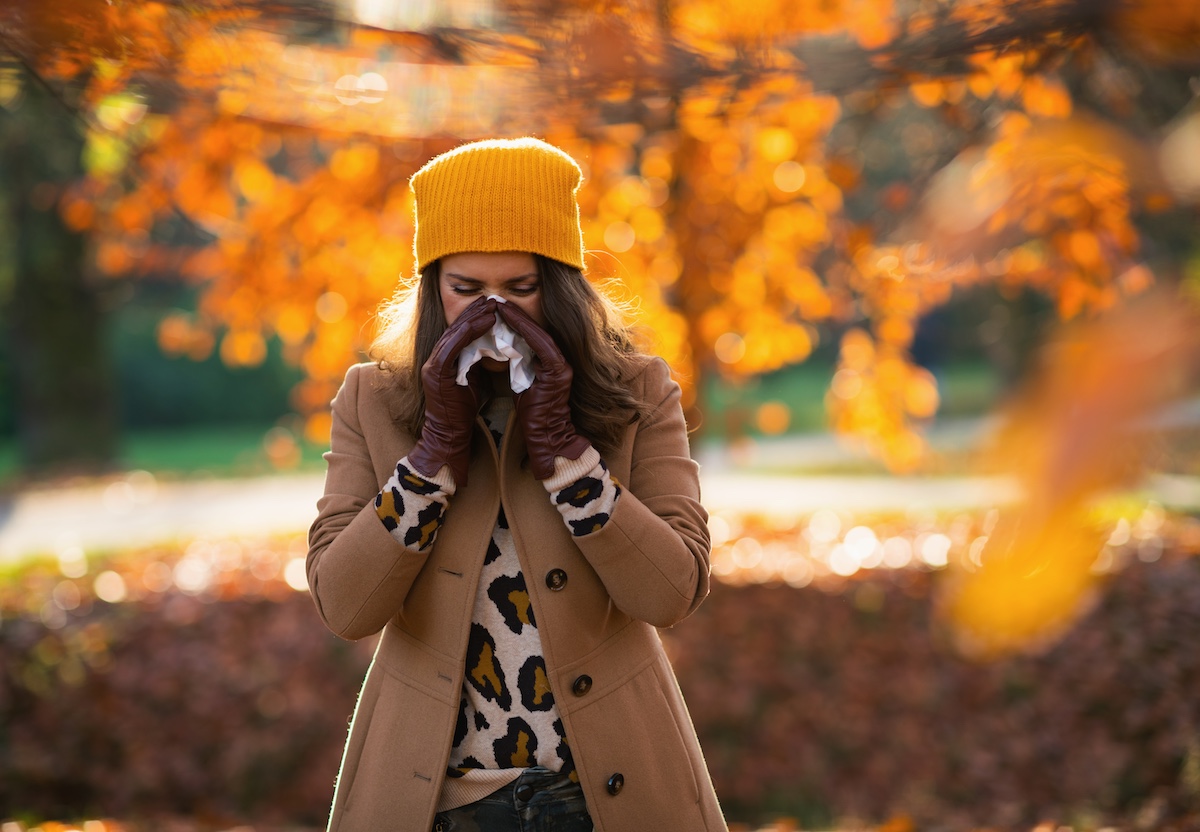
There are many things to enjoy about fall, from the crisp air and colorful foliage to pumpkin patches and hayrides. But fall also ushers in a new wave of allergy triggers – and the TopLine MD Alliance wants to help you be ready.
Seasonal changes such as ragweed pollen in the air, mold growth from damp fallen leaves, and fluctuating temperatures can lead to bothersome fall allergy symptoms like sneezing, congestion, itchy eyes, and fatigue. These allergens can also exacerbate other health conditions like asthma, making fall allergy management essential during this transitional season.
With its network of trusted allergists and primary care providers, the TopLine MD Alliance is your resource for managing seasonal allergies, ensuring that you can enjoy autumn with fewer disruptions to your health and quality of life.
This blog explores the connection between fall and heightened allergy symptoms, the most common fall allergy triggers, and practical strategies that can help reduce your allergen exposure. Find out when to seek medical attention for fall allergies, how to ease your fall allergy symptoms, and more.
What makes fall a challenging season for people with allergies?
When fall arrives, the weather starts to cool. Leaves begin to change color and fall on the ground. Pumpkin spice returns to your favorite coffee shop. But suddenly, you may realize that you’re not feeling your best. Why?
Allergies can be particularly severe in the fall due to the high concentration of allergens in the air and other environmental conditions that can worsen your allergy symptoms. For instance, ragweed – one of the most common fall allergens – releases vast amounts of pollen that can travel hundreds of miles. At the same time, cooler weather often prompts people to spend more time indoors, where dust mites and other allergens thrive.
So, if your allergies seem worse in the fall, you’re not imagining it. Keep reading for more details about fall allergy triggers and what you can do to avoid them.
What are the most common fall allergy triggers?
Ragweed
Let’s start with one of the biggest fall allergy triggers. Ragweed is a weed that grows in every U.S. state except Alaska. Ragweed is most prevalent in the Eastern and Midwestern states, but also flourishes in fields, roadsides, and vacant lots – anywhere that soil has been disturbed.
Just one ragweed plant can produce over a billion grains of tiny pollen that are carried by the wind to areas near and far. Even if ragweed isn’t blooming in your community, you could still be affected by the traveling pollen.
Approximately one in every five people experiences an allergic reaction to ragweed pollen when its levels in the air are high, and ragweed pollen is known to prompt asthma attacks as well. Ragweed allergy season typically begins in late summer and continues through October or November.
Mold
Mold thrives in moisture, and all those damp piles of autumn leaves on the ground are an ideal place for mold to grow. Mold is a type of fungus that produces spores that also float through the air and are known to cause both allergy and asthma symptoms.
In addition to fallen leaves, mold is often found on rotting logs, in compost piles, and on many types of grasses and grains. Indoors, mold may be present in your basement, attic, bathroom, kitchen, or any other damp environment. Mold can grow anywhere and on anything, as long as moisture is present.
The combination of fallen leaves and other damp conditions on the ground and an increase in indoor moisture as people close windows and turn on their heating systems makes mold another common fall allergy trigger.
Dust mites
The increase in indoor moisture when heating systems are turned on also creates a favorable environment for dust mites. People tend to spend more time indoors in the fall as the weather cools, leading to increased contact with dust mites as well.
Dust mites occur naturally and appear in nearly all homes – in fact, roughly four of every five U.S. homes have dust mite allergens in at least one bed. Dust mites are very small, insect-like pests that feed on dead human skin cells and thrive in warm, humid settings.
Unlike pet dander, dust mite allergens do not usually stay in the air. Instead, they settle quickly into dust or fabrics found on bedding, mattresses, upholstered furniture, carpets, curtains, and so on. Most of your exposure to dust mite allergens occurs while you are sleeping.
How can you reduce your exposure to fall allergens?
Indoors
To help with your allergy symptoms in the fall, it’s important to reduce the amount of mold, dust mites, and other allergens in your home. You can help keep your indoor air clean by following these tips:
- Close all windows and doors, especially on high pollen days
- Use high-efficiency particulate air (HEPA) filters in your air conditioning system
- Change all filters, including the one(s) in your heating system, regularly
- Use HEPA air purifiers in your bedrooms and living areas
- Clean floors frequently with a HEPA vacuum cleaner
- Dust surfaces with a damp cloth to prevent allergens from being stirred into the air
- Wash all bedding in hot water every week
- Use allergen-proof covers on pillows and mattresses
- Remove shoes and outerwear at the door
- Shower and change your clothes after going outdoors to remove allergens on your hair and skin
- Wipe down outdoor pets frequently
Outdoors
Some people with severe fall allergies stay indoors as much as possible, especially on windy days. You can also reduce your exposure to outdoor fall allergens by following these tips:
- Check your local pollen count so you can plan outdoor activities accordingly
- Don’t go outdoors when pollen counts are high or extreme
- Go outdoors before dawn or in the late afternoon/early evening, when pollen counts are lowest
- Go outdoors after it rains, which helps clear pollen from the air
- Wear a face mask to filter allergens
- Don’t mow the lawn or rake leaves, which both stir up large amounts of allergens
- Never hang laundry outdoors, since pollen can stick to fabrics
What lifestyle strategies can help ease your fall allergy symptoms?
In addition to the tips listed above, here are some lifestyle strategies that can help ease your fall allergy symptoms. All it takes is a bit of planning and proactive self-care.
Consistent cleaning
Room by room, you can lower the amount of allergens in your home.
- Wash dishes and clean countertops daily to remove mold and food debris
- Towel dry your tub or shower after each use
- Wash area rugs and floor mats weekly
- Use washable curtains made of cotton or synthetic fabric
- Clean mold and condensation from window frames and sills
- When possible, avoid upholstered furniture
- Reduce the amount of knick-knacks and other items that collect dust
- Remove any carpeting in bathrooms and replace it with tile, vinyl, wood, or linoleum flooring
Clothing choices
The clothes you wear, especially when going outdoors, can help repel fall allergens.
- Wear protective clothing like long sleeves and pants to prevent allergens from sticking to your skin
- Wear a wide-brimmed hat to prevent allergens from sticking to your hair
- Use a lightweight scarf as a pollen barrier for your face and neck
- Choose natural, breathable fabrics like cotton, which are less likely to attract static and hold pollen
- Wear sunglasses to shield your eyes
When should you seek medical attention for fall allergies?
Your TopLine MD Alliance Network allergist or primary care provider can diagnose your fall allergies and discuss prescription treatments or allergy testing. We recommend scheduling an appointment with a provider if you experience allergy symptoms:
- It has gotten worse over time
- Last longer than a few weeks
- Don’t respond to over-the-counter medications
- Interfere with your sleep schedule or quality of life
If you already have asthma and suspect that you are developing fall allergies, you should also see a TopLine MD Alliance Network provider. Having allergy symptoms can make it harder for you to breathe and increase your asthma flare-ups.
Seek emergency medical care for severe allergy symptoms like:
- Difficulty breathing
- Wheezing
- Tightness in your chest or throat
- Swelling of your face, lips, or tongue
- Dizziness, lightheadedness, or a sudden drop in blood pressure
- Severe vomiting or diarrhea after exposure to allergens
Find a TopLine MD Alliance Network provider today
The TopLine MD Alliance was created by physicians who came together to make healthcare experiences better for patients and simplify the complex healthcare system. We help patients navigate this system every day, connecting them with top-of-the-line healthcare providers, practices, diagnostic centers, and imaging centers we trust.
The TopLine MD Alliance brings together high-quality care and exceptional service while ensuring that you are always satisfied with your choice of medical providers. Our specialties include allergy and immunology, primary care, internal medicine, family medicine, and many more.
To get started, find a provider near you today.
The TopLine MD Alliance is an association of independent physicians and medical practice groups who are committed to providing a higher standard of healthcare services. The members of the TopLine MD Alliance have no legal or financial relationship with one another. The TopLine MD Alliance brand has no formal corporate, financial or legal ties to any of the physicians or practice groups in the network.