
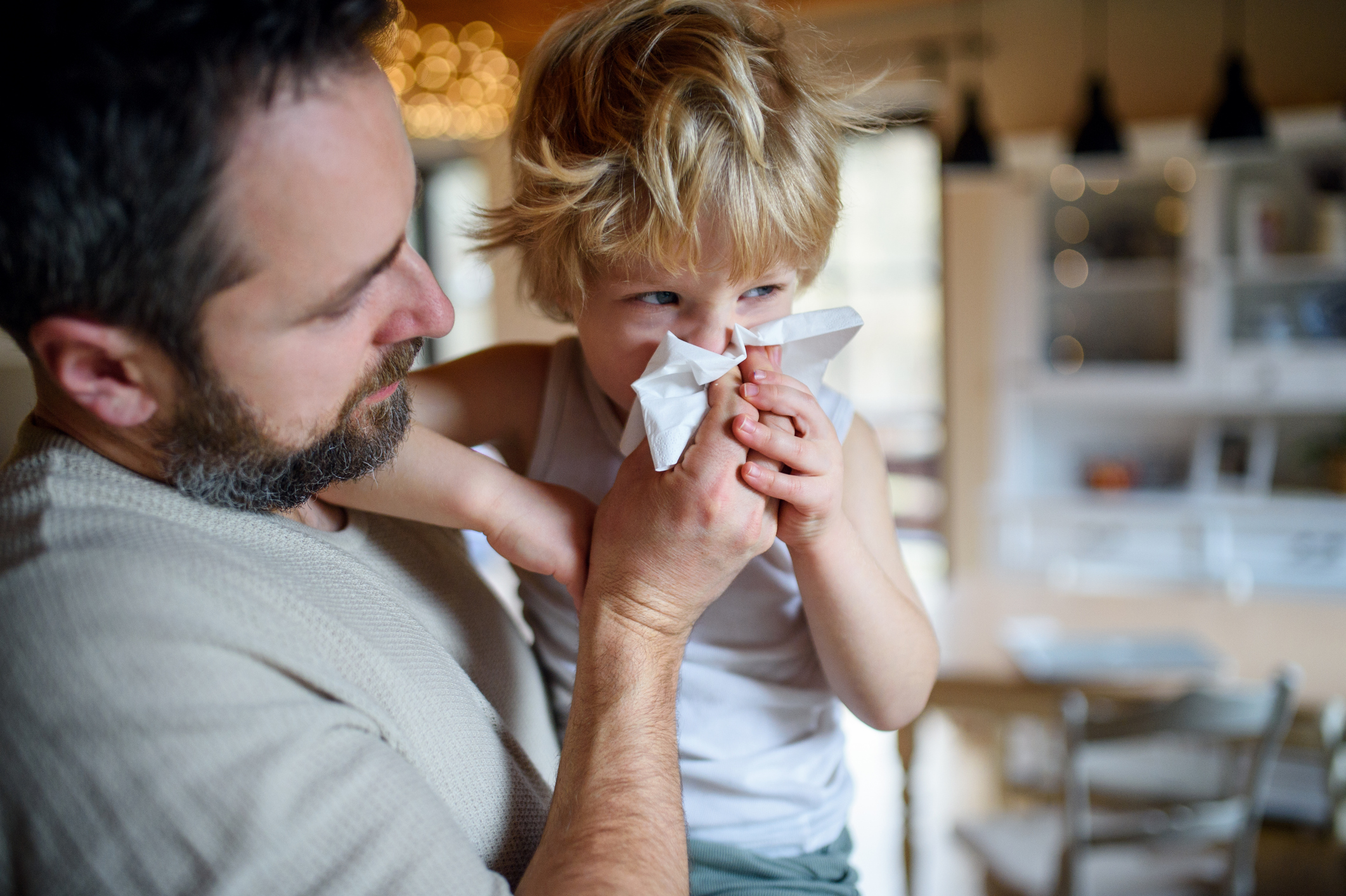
As a pediatrician, I frequently observe an increase in respiratory infections during the fall and winter months. Among them, influenza (commonly known as the flu) and respiratory syncytial virus (RSV) are two of the most prevalent respiratory viruses. While both illnesses can affect the respiratory system, they have distinct characteristics, symptoms, and preventive measures. In this blog post, we’ll delve into what every parent should know about these viruses to better protect their children during the winter months.
What is Influenza?
Influenza is a highly contagious viral infection that affects the upper and lower respiratory tract. It is caused by influenza viruses, which can lead to seasonal epidemics and occasionally cause pandemics. Influenza can affect anyone, but it tends to be more severe in children, the elderly, and individuals with certain underlying health conditions. The best way to protect against getting a serious influenza infection is to get vaccinated. There are also prescription medications such as oseltamivir, which, if started during the first two days of flu symptoms, can shorten the course of this illness. This medication is taken twice daily for five days.
Signs and Symptoms of Influenza
The flu usually resolves within a week, but symptoms can be severe or lead to complications, particularly in vulnerable populations. Common signs and symptoms include:
- Sudden onset of fever
- Chills
- Cough (often dry)
- Sore throat
- Runny or stuffy nose
- Muscle or body aches
- Headaches
- Fatigue (tiredness)
- Some may also experience diarrhea and vomiting, although this is more common in children than adults.
For more information on influenza, check out the CDC’s Flu Information.
What is RSV?
RSV is a common respiratory virus that usually causes mild, cold-like symptoms. It is particularly concerning for infants and young children, as it can lead to serious respiratory illness. RSV is a major cause of bronchiolitis (inflammation of the small airways in the lungs) and pneumonia in children under one year of age. One to three percent of children under 1 year of age with RSV are hospitalized every year in the United States. These hospitalized children may need Oxygen, IV fluids, and even Mechanical Ventilation. Even though it is the most common reason for hospitalization in the first year of life, the majority of children with RSV infection do not require inpatient care and can be treated successfully at home.
Signs and Symptoms of RSV
Unlike the flu, RSV symptoms can start as mild but can escalate quickly, especially in young children. Common symptoms include:
- Runny nose
- Cough
- Sneezing
- Fever
- Wheezing or difficulty breathing (evident as rapid breathing or flaring nostrils)
- Decreased appetite
- Irritability
- Lethargy
If your child exhibits any severe symptoms, such as difficulty breathing or persistent high fever, seek immediate medical attention. For more comprehensive information on RSV, visit the CDC’s RSV page.
The Importance of Vaccination
One of the most effective ways to prevent influenza and RSV is through vaccination.
Influenza Vaccine: The flu vaccine is recommended annually for everyone aged six months and older. It is especially vital for young children, older adults, pregnant women, and individuals with chronic health conditions, as these groups are at higher risk of severe complications from influenza. The CDC provides comprehensive information about the flu vaccine, including types of vaccines and vaccination schedules CDC – Influenza Vaccination.
Vaccination for Pregnant Mothers
To bolster the defenses of newborns, the CDC recommends that pregnant women receive the RSV vaccine during their pregnancy, ideally between the 32nd and 36th week. This vaccination strategy helps transfer immunity to the baby, providing critical protection against RSV during their first few months of life when they are most vulnerable.
Alongside the RSV vaccine, pregnant mothers should also receive the flu vaccine. Studies have shown that flu vaccination during pregnancy can protect infants against influenza in their early months as well as reduce the risk of preterm labor. More information about vaccinations during pregnancy can be found at CDC – Vaccines During Pregnancy.
Beyfortus (Nirsevimab) for RSV: As of 2023, Beyfortus has emerged as a preventative treatment for RSV for all infants who will be under 8 months old during the peak season for RSV (generally October through March) whose mothers were not vaccinated against RSV during pregnancy, or if the vaccine was given to the mom less than 14 days before delivery. It is not a vaccine but rather a monoclonal antibody that protects against infection but does not give long-term immunity. Administered as a single intramuscular dose as early as the newborn period, it offers significant protection against severe RSV disease that can last up to six months to protect them during the peak months of illness. It is also recommended for infants under the age of 2 years who are at high risk of RSV complications, including those born prematurely or with certain health conditions. For more detailed information on Beyfortus, please refer to CDC – RSV Prevention.
Everyday Preventive Measures
In addition to vaccinations, several everyday practices can help prevent the spread of influenza and RSV during the winter months:
- Hand Hygiene: Frequent handwashing with soap and water for at least 20 seconds is one of the most effective ways to reduce the spread of viruses. If soap and water are not available, using a hand sanitizer with at least 60% alcohol is a good alternative.
- Avoid Close Contact: Keeping children away from anyone who is sick and limiting close contact with others can significantly decrease exposure to both flu and RSV.
- Respiratory Etiquette: Teach children to cover their mouths with a tissue or their elbow when coughing or sneezing to prevent the spread of germs.
- Regular Cleaning: Disinfect frequently-touched surfaces in your home, such as doorknobs, toys, and light switches, to reduce the risk of infection.
- Flu Season Awareness: Stay informed about flu activity in your community, and consider avoiding crowded places during peak flu season if your child is vulnerable or unvaccinated.
- Monitor Symptoms: If your child exhibits symptoms of influenza or RSV, contact your pediatrician for guidance, especially if symptoms worsen or if your child is at high risk for complications.
Influenza and RSV are significant respiratory illnesses that can severely affect children, especially during the winter months. Vaccination is one of the best defenses against these infections, alongside everyday preventive measures. As parents, being proactive about your child’s health during this season is crucial.
As always, don’t hesitate to reach out to your pediatrician if you have concerns about your child’s health or if you need more information on vaccination strategies or treatments.
Stay vigilant, and let’s work together to ensure our children stay healthy this season!
The TopLine MD Alliance is an association of independent physicians and medical practice groups who are committed to providing a higher standard of healthcare services. The members of the TopLine MD Alliance have no legal or financial relationship with one another. The TopLine MD Alliance brand has no formal corporate, financial or legal ties to any of the physicians or practice groups in the network.