
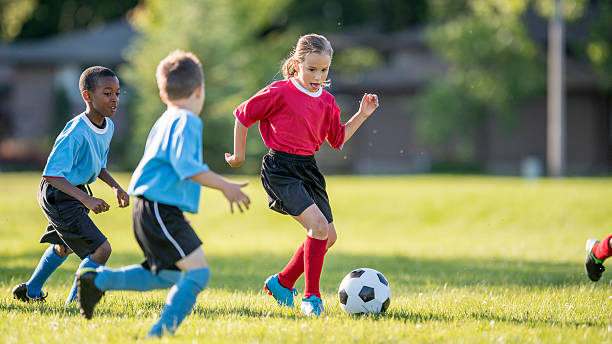
Sports participation is a valuable part of childhood and adolescence. It supports physical health, builds confidence, and encourages teamwork. However, without appropriate safety measures, young athletes may be at risk for preventable injuries or health complications. To keep sports safe and fun for children and teens, here are some tips based on recommendations from the American Academy of Pediatrics.
Protective Gear by Sport
Wearing the correct protective equipment is one of the most effective ways to prevent sports injuries. Each sport comes with its own set of risks, and gear should be tailored accordingly:
- Helmets: Essential for football, baseball, hockey, biking, skateboarding, and lacrosse. Helmets should meet sport-specific safety standards and fit snugly. Most importantly, helmets should be replaced after a significant hit or injury and should be checked regularly for fit and safety.
- Mouthguards: Recommended for contact sports such as football, basketball, hockey, wrestling, and martial arts. These reduce dental trauma and may lessen concussion risk.
- Pads and guards: Shin guards for soccer, shoulder pads for football and hockey, and elbow/knee pads for skateboarding and rollerblading. These protect children’s growing bones and growth plates.
- Footwear: Sport-specific, supportive shoes help prevent foot and ankle injuries. Worn-out shoes should be replaced regularly.
Sunscreen should also be considered essential gear for outdoor sports. Apply a broad-spectrum SPF 30 or higher at least 30 minutes before sun exposure and reapply every 2 hours during prolonged outdoor activity.
Injury Prevention and Safe Play
- Warm-Up and Flexibility: A proper warm-up prepares the muscles and joints for movement and reduces the risk of sprains and strains. Warm-up activities can include light aerobic activity (e.g., jumping jacks, running in place, jogging) followed by dynamic stretching. Conditioning exercises during sports practice also help strengthen muscles and protect them from injury. After practice or games, static stretching supports flexibility and recovery.
- Recognizing When to Stop: Children may not always express pain openly or clearly. Parents and coaches should monitor for signs of injury, including limping, swelling, joint tenderness, headaches, or confusion after an impact, and stop the activity immediately so children do not play through the pain.
- Heat Safety and Hydration: Children and adolescents are more susceptible to heat-related illness. Schedule frequent breaks, provide shade and hydration, and watch for signs of overheating. The recommended hydration amounts are 16 ounces 2 hours before, 8 ounces 30 minutes before, and 4 to 8 ounces every 15-20 minutes during activity.
- Avoiding Overuse Injury and Burnout: Many injuries result from repetitive motion and insufficient rest. Recommendations include using proper technique and safe play for sports and taking at least 1-2 days off weekly and one month off yearly from each sport. It is also important to avoid specializing too early in one sport and instead play a variety of sports to avoid injuries from overuse.
Sports Supplements
Dietary and sports supplements are increasingly marketed to children and adolescents, often with promises of improved performance, energy, or physical appearance. However, most of these products are unnecessary for youth and can pose health risks. Dietary supplements are not regulated by the U.S. Food and Drug Administration (FDA) the way prescription medications are. As a result, supplements can contain unlisted ingredients, contaminants, or mislabeled dosages that can be harmful to young athletes.
- Protein: While protein is important for muscle recovery and growth, most children and teens can meet their protein needs through a well-balanced diet that includes lean meats, dairy, eggs, beans, nuts, and whole grains. Protein powders are not necessary for most youth athletes, and excessive protein intake may place strain on developing kidneys.
- Creatine: This is a supplement used in adult bodybuilding and strength sports. It is not recommended for anyone under 18. The long-term safety of creatine in adolescents has not been established, and it has not been shown to improve performance in youth. Side effects may include dehydration, cramping, and potential impacts on kidney function.
- Energy Drinks and Caffeine: Energy drinks are not appropriate for children or teens as these products often contain high levels of caffeine and stimulants like guarana, taurine, or ginseng. Side effects may include increased heart rate, anxiety, difficulty sleeping, dehydration, and increased risk of heat illness. Teens who are already taking stimulant medications (such as for ADHD) may be at even greater risk when combining these products. Encourage water or low-sugar sports drinks for hydration instead.
- Vitamins and Minerals: For most children and adolescents who do not have food allergies, chronic medical conditions, or diagnosed deficiencies, vitamin and mineral supplements are not necessary if they are consuming a varied, nutrient-rich diet. The best approach is to prioritize food sources of nutrients and speak with a pediatrician before beginning any supplement regimen.
- Anabolic Steroids: Anabolic steroids are illegal without a prescription and carry serious health risks when used to enhance muscle growth or appearance. Steroid use during adolescence can lead to stunted growth, liver damage, increased risk of heart disease, mood swings, aggression, depression, and hormonal imbalances. Open conversations about body image, peer pressure, and performance expectations can help prevent misuse.
Supporting Nutrition
Rather than turning to supplements, youth athletes are best served by a nutritionally balanced diet that supports their energy, growth, and recovery. Parents play a key role in helping children establish healthy eating habits that fuel performance and long-term health. Consider the following core principles:
- Prioritize breakfast, especially on game days. A balanced breakfast provides energy and focus for school and sports. Ideal options include whole grains, lean protein, and fruit.
- Plan for busy schedules. Families balancing school, sports practices, and games may struggle to fit in balanced meals. Prepare portable snacks such as yogurt with granola, nut butter sandwiches, trail mix, or hummus with whole-grain crackers.
- Focus on the right nutrients. Carbohydrates fuel muscles and are important before games or practices. Choose whole grains, fruits, and starchy vegetables. Protein helps rebuild muscle after activity. Include lean meats, dairy, beans, or nuts post-exercise. Healthy fats from avocado, nuts, and olive oil support overall health. Calcium and iron are key for growing bodies and are found in dairy, leafy greens, and fortified grains.
- Hydrate consistently. Encourage children to drink water regularly before, during, and after activity. For most youth sports, water is sufficient. In high-heat or prolonged training sessions, low-sugar electrolyte drinks may be helpful.
Parents can stay informed and involved in their child’s athletic activities, promote protective gear, rest, healthy habits, and safe nutrition to keep sports safe, enjoyable, and developmentally supportive. You can discuss concerns or the best ways to support your athlete’s health with your pediatrician.
Find a TopLine MD Alliance Network provider today
The TopLine MD Alliance was created by physicians who came together to make healthcare experiences better for patients and simplify the complex healthcare system. We help patients navigate this system every day, connecting them with top-of-the-line healthcare providers, practices, diagnostic centers, and imaging centers we trust.
The TopLine MD Alliance brings together high-quality care and exceptional service while ensuring that you are always satisfied with your choice of medical providers. In addition to dermatology and primary care, our specialties include family medicine, internal medicine, pediatrics, women’s health, and many more.
To get started, find a provider near you today.
The TopLine MD Alliance is an association of independent physicians and medical practice groups who are committed to providing a higher standard of healthcare services. The members of the TopLine MD Alliance have no legal or financial relationship with one another. The TopLine MD Alliance brand has no formal corporate, financial or legal ties to any of the physicians or practice groups in the network.