
Vascular surgery is a specialty that most people don’t think about until they need it – and by that point, their vascular condition is often already advanced. Unlike more visible or well-known specialties, vascular surgery operates largely behind the scenes, focusing on the network of arteries, veins, and lymphatic vessels that keep your body functioning.
Conditions like peripheral artery disease, carotid artery disease, aortic aneurysms, varicose veins, and deep vein thrombosis (DVT) fall under the vascular surgery umbrella. Left untreated, these conditions can carry serious, life-altering consequences, including stroke, limb loss, and organ failure.
But there is a significant education gap here. Many patients experiencing vascular symptoms — such as leg pain, swelling, numbness, or wounds that won’t heal — don’t realize a vascular surgeon is the right specialist to see. They may bounce between their primary care physician and other specialists for months before getting an accurate referral. The TopLine MD Alliance is here to close this gap and connect patients with the trusted vascular expertise they need.
Searching for the best vascular surgeons in Florida? You’ve found them. TopLine MD Alliance Network vascular surgeons deliver modern, specialized care to patients across Florida, along with the added benefit of a coordinated care network that ensures vascular concerns are caught early, managed comprehensively, and treated by surgeons with deep expertise in both open and endovascular approaches.
If you need vascular surgery in Miami, Orlando, Tampa, Fort Lauderdale or another Florida city, TopLine MD Alliance Network vascular surgeons are ready to help. Keep reading to learn when to see a vascular surgeon, what to expect from vascular surgery, and so much more.
What is vascular surgery?
Vascular surgery is a general term used to describe surgeries and procedures that target your blood vessels, the amazingly complex network of arteries, veins, and capillaries that carry blood to and from your heart and nourish your organs and tissues. Many different vascular diseases can damage your blood vessels and cause blockages that lead to a cascade of problems – not just in the affected areas where the blockages appear, but in other parts of your body as well.
Sometimes, medications and lifestyle changes are enough to effectively manage vascular conditions. Other times, you may need surgery to prevent problems from worsening. Vascular surgery includes procedures that:
- Repair damage to your blood vessels caused by vascular disease
- Lower your risk of complications from vascular disease
- Create access to your blood vessels for dialysis or other medical therapies
TopLine MD Alliance Network vascular surgeons perform thousands of procedures every year in Florida, with peripheral vascular surgery being the most common (more details are provided below).
Signs that you need vascular surgery
The type of surgery you need depends on the vascular condition you have. For instance, you may need vascular surgery if you have any of the following conditions:
- Aortic aneurysm
- Blood clots
- Carotid artery disease
- Chronic venous insufficiency
- Deep vein thrombosis (DVT)
- Fibromuscular dysplasia (FMD)
- Mesenteric artery ischemia
- Peripheral artery disease
- Popliteal artery entrapment syndrome (PAES)
- Renal artery stenosis
- Thoracic outlet syndrome
- Varicose veins
- Visceral and peripheral arterial aneurysms
It’s important to know what signs to watch for, especially if these conditions are unfamiliar or new to you.
Let’s begin with peripheral artery disease, a circulatory condition caused by plaque buildup (atherosclerosis) that reduces blood flow to the limbs, particularly the legs and arms. Your risk of peripheral artery disease increases if you have diabetes, high cholesterol, high blood pressure, or are a smoker. Peripheral artery disease typically leads to symptoms like painful leg cramping while walking, numbness, and slow-healing wounds.
Other vascular disease symptoms may include:
- Muscle cramping while exercising that improves with rest
- Reduced blood flow in any extremity (legs, arms, feet, or hands)
- One extremity feels significantly colder or more numb than the other
- Muscle weakness
- Wounds, sores, or ulcers that heal slowly or not at all
- Pale, blue, or reddish discoloration of the skin
- Unexplained loss of hair on any extremity
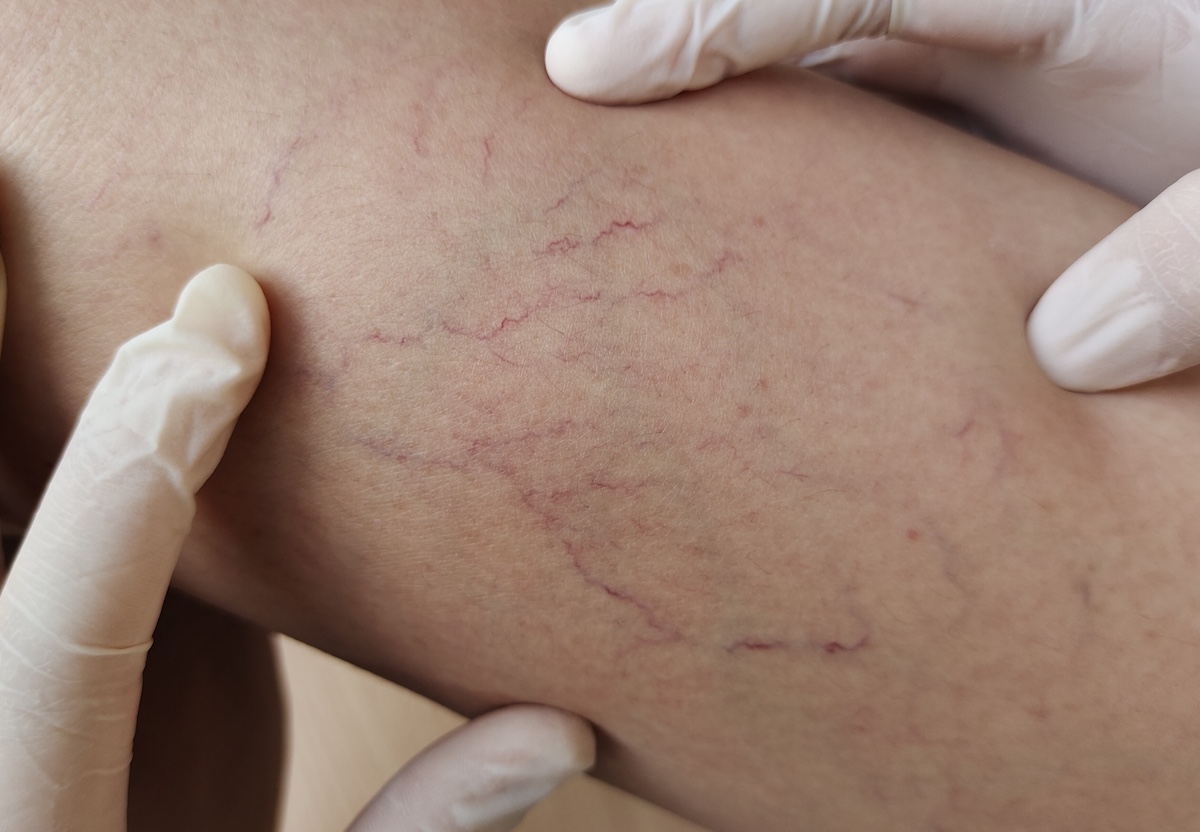
- Bulging, swollen, or twisted veins
- Swelling in your lower extremities (legs, ankles, or feet)
While any of these symptoms is cause for concern, seek medical care immediately if you experience:
- Sudden, severe coldness or numbness in any extremity
- Sudden inability to move any extremity
- Sudden chest pain, dizziness, or shortness of breath
- Symptoms of a stroke (face drooping, slurred speech, sudden weakness, etc.)
Types of vascular surgery
Open vascular surgery treats vascular conditions via large incisions, giving the surgeon direct access to the affected area(s). Endovascular surgery is a minimally invasive version of vascular surgery that uses stents, catheters, and other tools via small incisions.
Endovascular surgery is often used for peripheral artery disease and higher-risk patients, while open vascular surgery is generally preferred for severe artery blockages and more complex cases. Endovascular surgery is typically an outpatient procedure, while open vascular surgery requires a longer hospital stay.
Both types of vascular surgery share the same goal – to improve the patient’s blood flow, reduce pain, lower the risk of blood clots, and prevent amputation.
Your TopLine MD Alliance Network vascular surgeon may recommend:
- Angioplasty/stenting – For this minimally invasive procedure, the vascular surgeon inserts a small balloon and/or stent in the narrowed artery to increase blood flow.
- Atherectomy – Also a minimally invasive procedure, the vascular surgeon removes plaque from inside the artery using a catheter with a blade at the tip.
- Endarterectomy – An endarterectomy is the surgical removal of plaque from the artery.
- Peripheral artery bypass surgery – The vascular surgeon creates a bypass that reroutes your blood flow, avoiding the blockage in the artery. The bypass consists of a graft made with the patient’s own vein or a synthetic material.
Is vascular leg surgery dangerous?
Minimally invasive procedures like angioplasty/stenting offer significant advantages in treating vascular issues in the leg(s), including shorter recovery times. There are potential risks associated with peripheral artery bypass surgery in the leg(s), ranging from infection to swelling (edema) to blood clots or excessive bleeding. However, effective pre-surgical planning can help mitigate these risks.
Patient education and detailed post-operative instructions are also critical. Ask your TopLine MD Alliance Network vascular surgeon for more details about peripheral vascular surgery and their safety procedures. As always, ongoing lifestyle changes – such as regular exercise and dietary adjustments – play a role in positive surgical outcomes as well.
Vascular vs. cardiovascular surgery
If you have heart issues, do you need a vascular surgeon, a cardiovascular surgeon, or both?
The difference between vascular and cardiovascular surgery
Vascular surgery focuses on the network of arteries, veins, and lymphatic vessels throughout your body, excluding your heart. Cardiovascular surgery specializes in treating the heart and its connected vessels, typically focusing on open-heart surgeries, coronary bypasses, and other complex repairs.
TopLine MD Alliance Network vascular experts work closely with other specialists, including cardiologists, to understand the root cause of your vascular issues and find the best approach to treatment. Because your vessels and your “main pump” are equally important for keeping you strong and healthy, older adult patients should almost always consult a cardiologist in combination with their vascular surgeon – and the TopLine MD Alliance can connect you with both.
Preparing for vascular surgery
Preparation for your vascular surgery may begin days or weeks in advance, depending on the type of surgery you need. Your vascular surgeon will conduct a thorough physical examination and ask about your medical history, including any medications you are currently taking.
There are several tests that you may need before vascular surgery, such as:
- Angiogram – Uses contrast dye to view the inside of your blood vessels and check for blockages via X-ray or CT scan
- Ankle-brachial index – Quickly compares blood pressure in your ankle and arm
- Doppler ultrasound – Shows the direction and speed of blood moving through your arteries and veins
- Echocardiogram (ECHO) – Creates moving pictures of your heart as it beats using high-frequency sound waves
- Electrocardiogram (EKG) – Records your heart’s electrical activity through adhesive pads attached to your chest, arms, and legs
- Magnetic resonance angiography – An imaging test that shows your blood vessels and blood flow.
Once the surgery is scheduled, your vascular surgeon will give you specific pre-operative instructions that you must follow. Be sure to ask your surgeon if you have any questions about these instructions, which may include:
- Changes to your usual medication schedule
- What over-the-counter drugs to avoid
- When to stop smoking
- When to stop eating or drinking the night before your surgery
Your post-operative instructions and treatment will vary, based on the surgery you are having. Your TopLine MD Alliance Network vascular surgeon will explain what you can expect in the hours and days after your surgery, including how to properly care for your incision(s) and yourself. You may need to avoid certain activities, such as driving, climbing stairs, or lifting heavy objects, for a short time.
Despite the severity of vascular conditions, these diseases are often quite manageable and can be treated with minimal surgical impact. Please attend every follow-up appointment, so your TopLine Alliance Network vascular surgeon can watch for any signs of infection or other complications as you recover.
Find vascular disease treatment in Florida now
The TopLine MD Alliance was created by physicians who came together to make healthcare experiences better for patients. We help patients navigate the complex healthcare system, connecting them with top-tier healthcare providers, practices, diagnostic centers, and imaging centers we trust.
The TopLine MD Alliance brings together high-quality care, exceptional service, and compassionate support while ensuring that you are always satisfied with your choice of medical providers. If you need vascular care, find a vascular surgeon near you today.